How to Set Up a Plastic Pipe Production Line: Machine and Equipment Selection
Where Does a Pipe Production Line Project Begin?
Setting up a plastic pipe production line means more than purchasing an extruder. The right project begins by defining the raw material, outer diameter range, wall thickness, layer structure, application and downstream operations of the pipe to be produced.
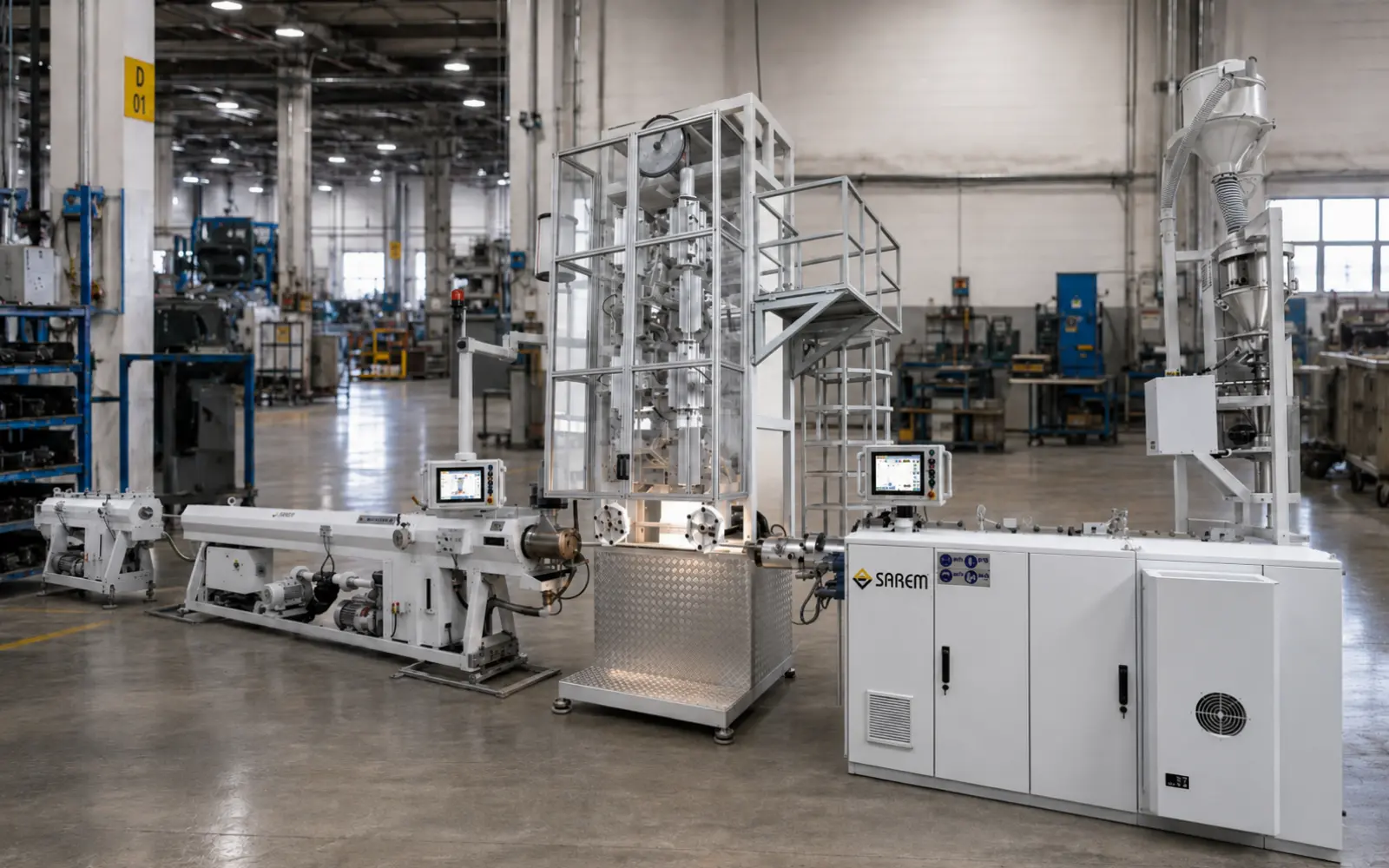
These technical inputs establish the basis for selecting the complete line, from the extruder and die head to the vacuum tank, cooling system, haul-off, cutter, coiler or belling equipment. When the capacity or control characteristics of one component are assessed separately from the others, process stability and product continuity can become difficult.
Since 2006, SAREM Makina has developed project-focused pipe extrusion systems for PE/HDPE, PVC, PP-RC, PEX-A and drip irrigation pipe applications. The line configuration is engineered around the manufacturer’s target product family and process requirements.
Core Machines in a Plastic Pipe Production Line
Extruder
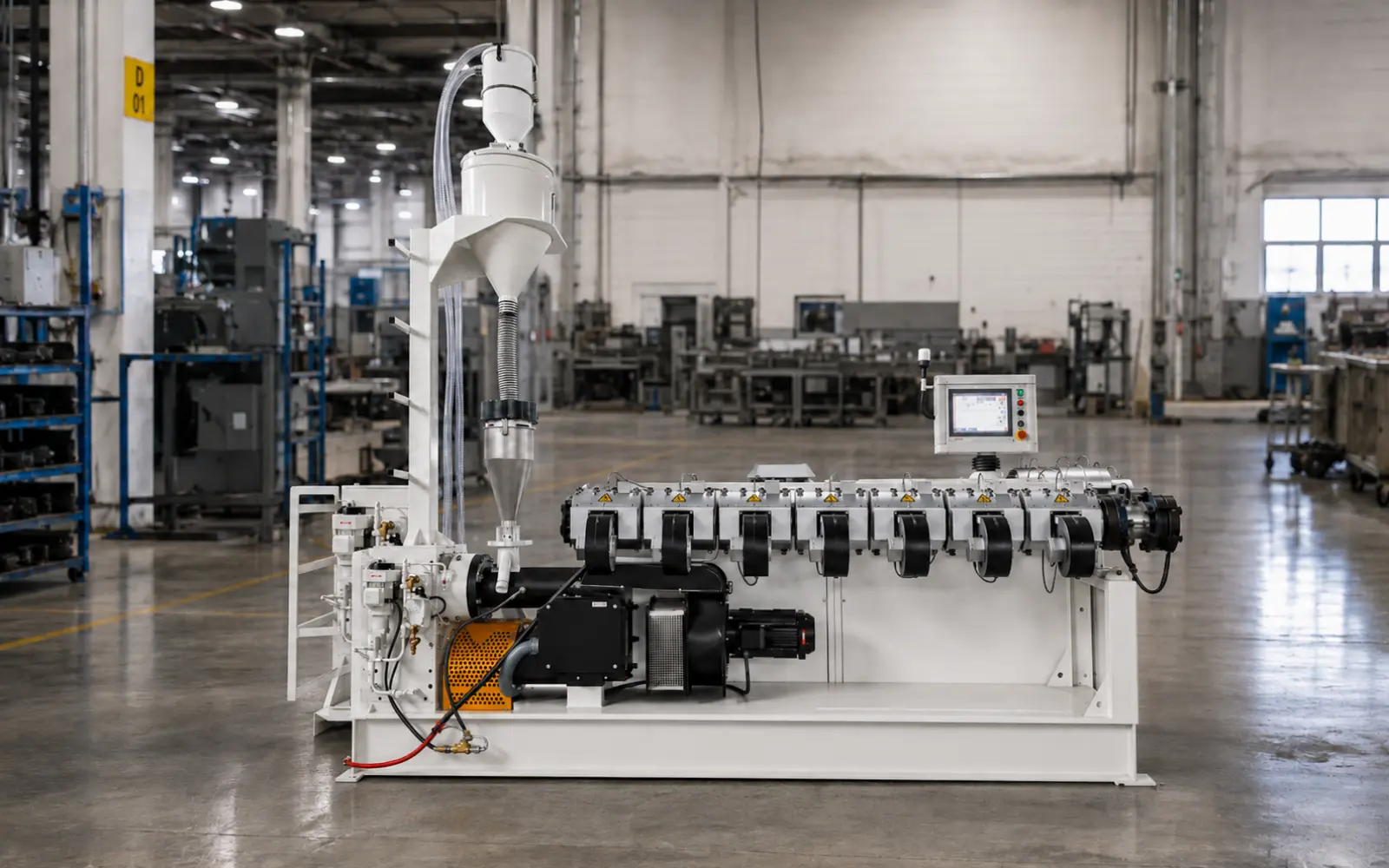
The extruder is the main process machine that conveys, heats and homogenizes polymer raw material in granule or another suitable form, then pressurizes it into the die head. The screw and barrel system, drive and temperature control are evaluated together according to the material being processed.
Extrusion Die Head
The pipe extrusion die head distributes the melt in a circular cross-section and forms the pipe geometry. Single-layer or multilayer production requirements, material distribution and the target diameter range are key inputs for die head selection.
Vacuum and Cooling Tanks
The vacuum calibration section controls the external geometry of the pipe, while cooling tanks gradually stabilize the formed product. Tank length and process layout are planned according to the product type and line structure.
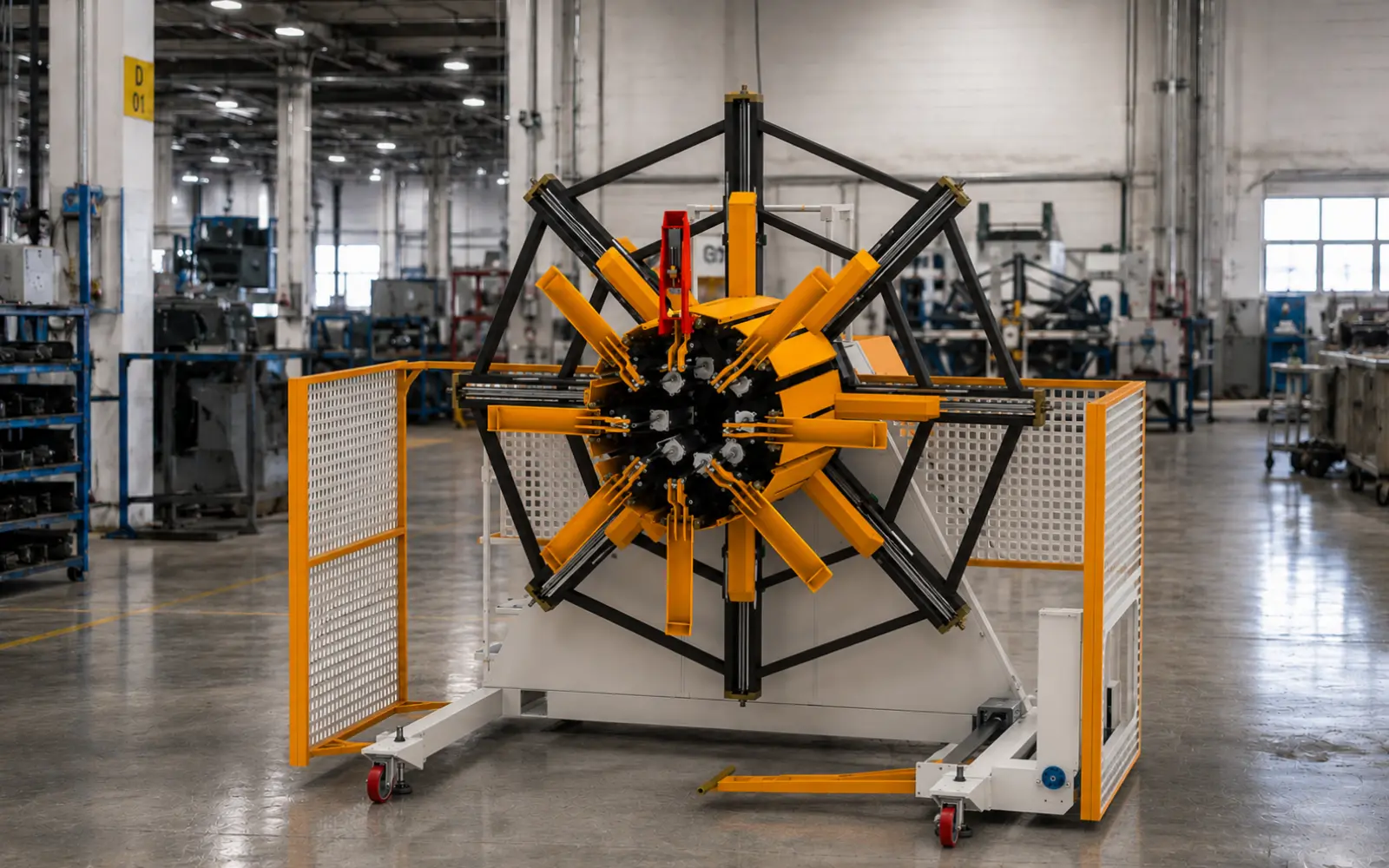
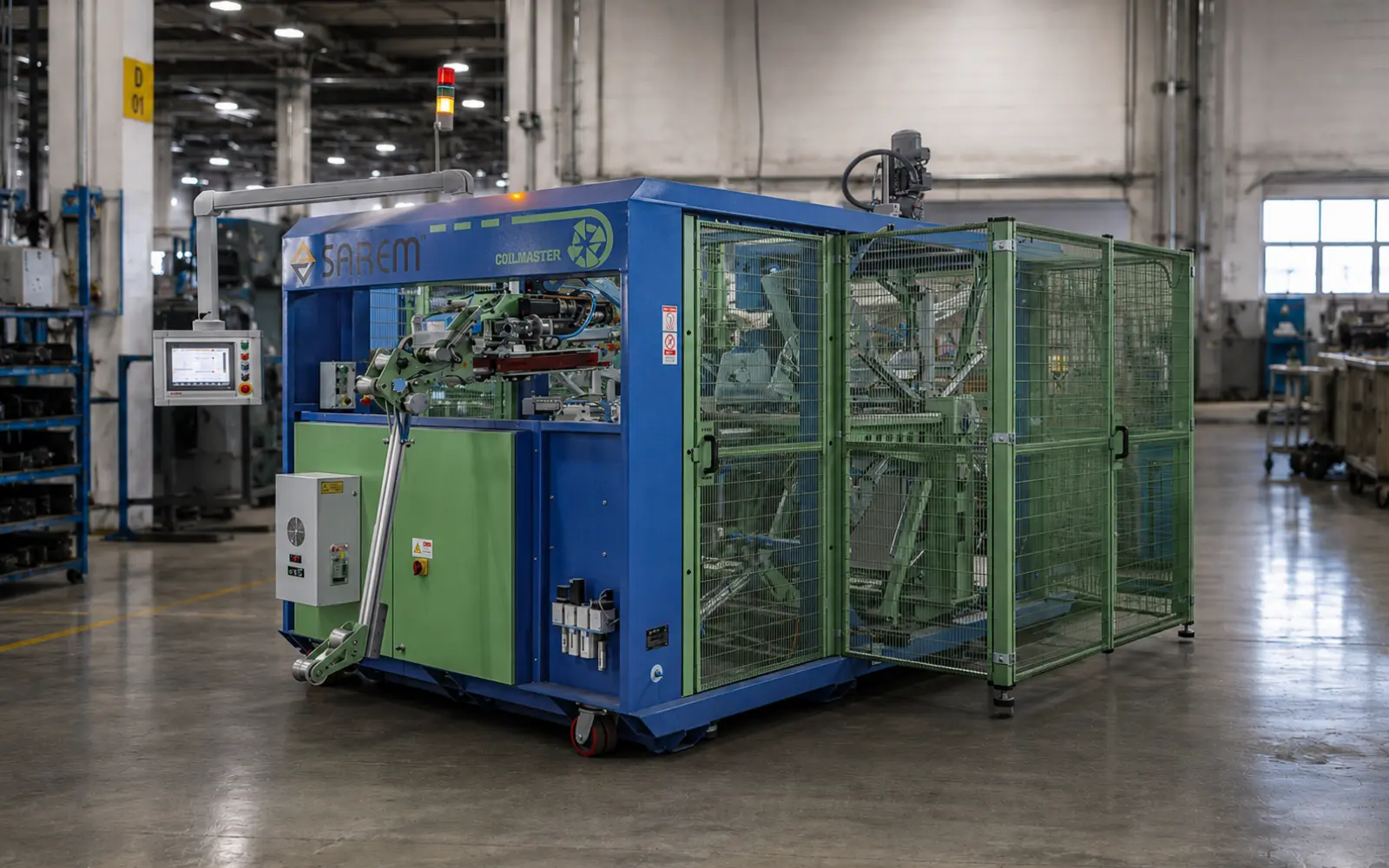
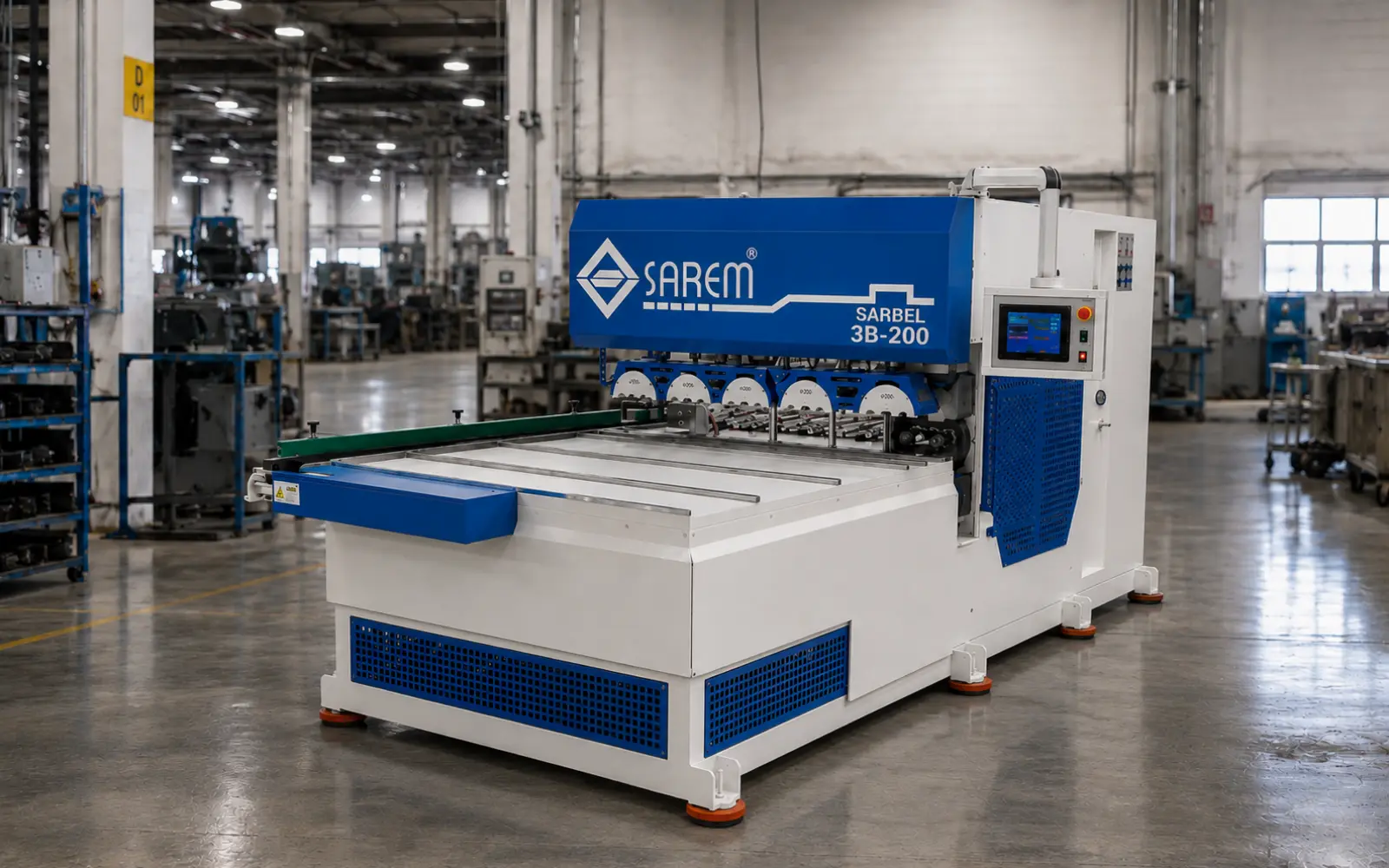
Haul-Off, Cutter and Coiler Systems
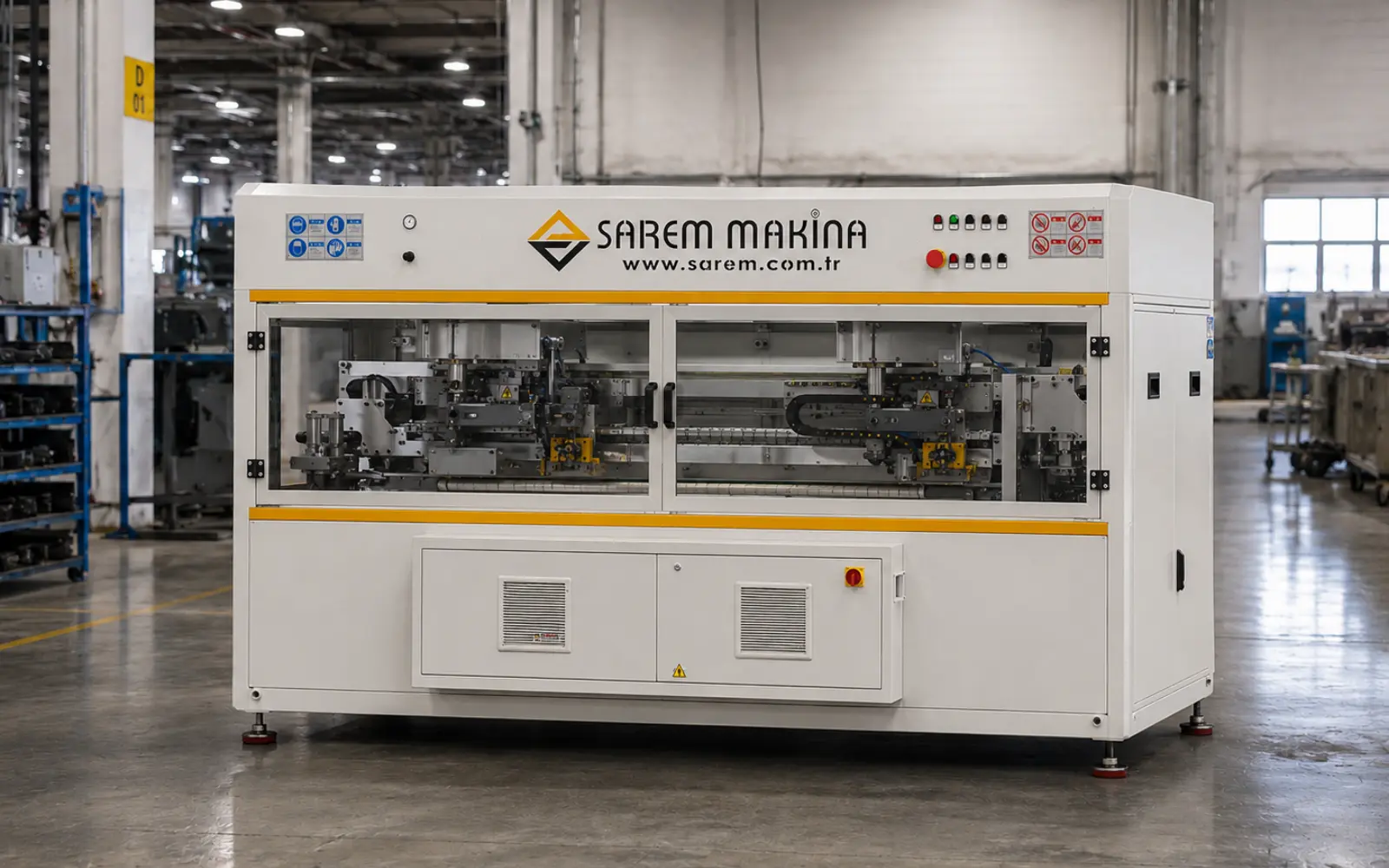
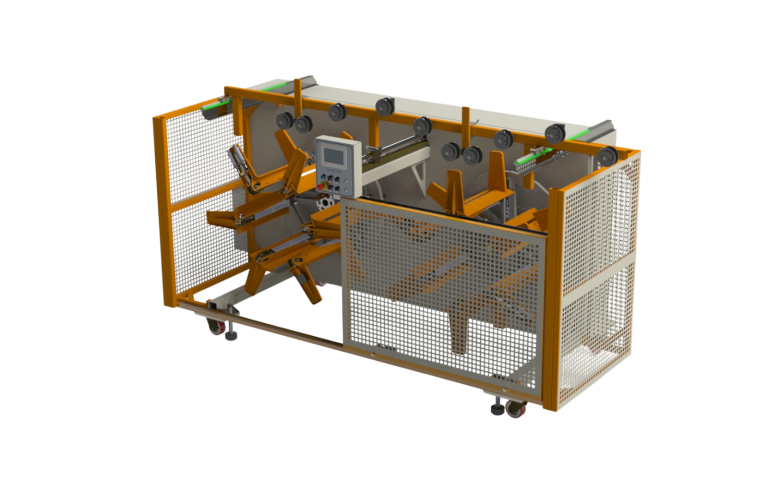
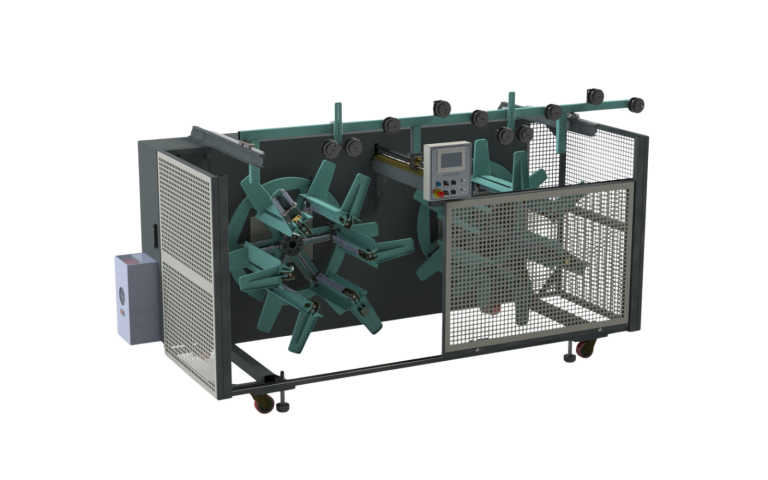
The haul-off unit moves the pipe at a controlled speed along the line. Rigid pipes are generally directed to cutting and stacking operations, while flexible pipes are routed to coiling systems. For PVC applications, a belling machine may also be included in the downstream solution according to the product design.
Four Steps for Engineering a Production Line
1. Define the Product
The pipe’s application, raw material type, diameter range, wall thickness and single-layer or multilayer structure form the core of the technical specification.
2. Define the Process Flow
Raw material feeding, extrusion, forming, calibration, cooling, haul-off and downstream operations are sequenced. Measurement and control points are defined within this flow.
3. Match Equipment Interfaces
Mechanical and process compatibility is checked between the extruder outlet and die head, tanks and haul-off unit, and the haul-off unit and cutter or coiler. The goal is for the complete line to operate toward a shared production target.
4. Plan Commissioning and Operator Requirements
Installation space, energy and utilities, raw-material logistics, control scenarios, product changeovers and maintenance access should be assessed during the project stage. This makes commissioning manageable through measurable acceptance criteria.
Line Configuration by Pipe Material
For PE and HDPE pipe production, melt behavior, die distribution, vacuum calibration and the cooling arrangement are central considerations. In PP-RC lines, surface quality, layer structure and wall-thickness stability are evaluated; in PVC lines, material processing behavior, calibration and cutting or belling arrangements are considered together.
Frequently Asked Questions
Which Machines Are Included in a Plastic Pipe Production Line?
Depending on the application, the line can include a feeding system, extruder, die head, vacuum and cooling tanks, haul-off, cutter, coiler, stacker or belling equipment.
Why Does Line Selection Start with the Raw Material?
PE, PVC, PP-RC and PEX-A have different processing behaviors. The extruder, die, cooling and control arrangement changes according to the material.
What Is the Advantage of Buying a Complete Line?
Evaluating equipment interfaces around the same process target makes commissioning and production control easier.
Which Information Should Be Shared with the Supplier?
Share the raw material, pipe diameters, wall thickness, number of layers, product standard, target production arrangement and downstream format.
Which Lines Does SAREM Makina Develop?
SAREM Makina develops project-based extrusion lines and auxiliary machinery for PE/HDPE, PVC, PP-RC, PEX-A and drip irrigation pipe production.
Plan Your Production Line with Technical Data
For a new investment or capacity-expansion project, share the technical definition of the pipe you plan to produce. SAREM Makina can evaluate the appropriate pipe production line configuration, from the extruder to downstream equipment, against your process requirements.
Contact SAREM for your plastic pipe production line project.