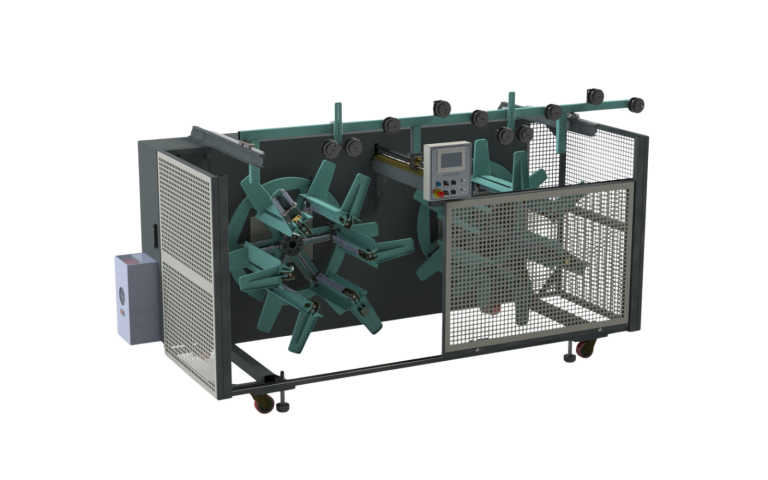
Manual vs Automatic Coilers for 16–32 mm PE Pipe
How Manual and Automatic PE Pipe Coilers Differ
For 16–32 mm PE pipe production, the coiler can be a simple manual machine or a highly automated downstream system. Both approaches can produce usable coils, but they differ in operator involvement, changeover time, production continuity and the level of consistency available from one coil to the next.
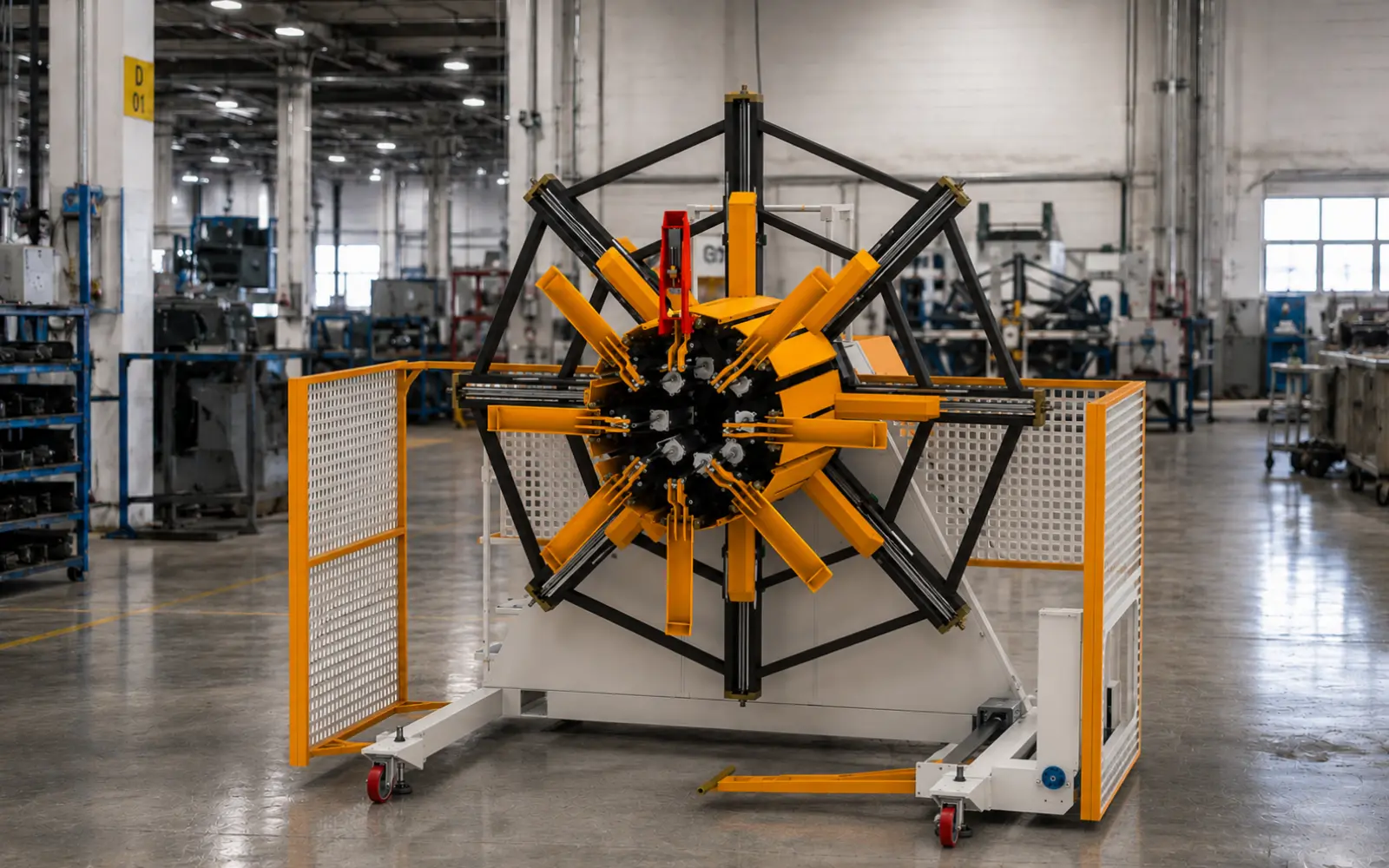
A manual PE pipe coiler typically requires an operator to guide, cut, remove or secure the finished coil. Its controls are straightforward and the investment is lower. An automatic pipe coiler can synchronize with the extrusion line and handle more of the winding cycle through programmed sequences and sensors.
The correct comparison should start with the complete production requirement. Pipe diameter alone does not decide the machine type. Line speed, coil length, wall thickness, number of product changes, labor availability, packaging expectations and planned operating hours all affect the practical return on automation.
When a Manual Coiler Is the Right Choice
Manual coilers are often suitable for lower-speed extrusion lines, short production batches, product development or facilities where trained operators are readily available. They can also be attractive when several unusual coil formats are produced and flexible human intervention is more valuable than a fixed automatic sequence.
Their simpler architecture can make routine operation and maintenance easier. However, buyers should still verify drum dimensions, motor torque, traverse adjustment and tension behavior across the full 16–32 mm pipe range. A low-cost machine that cannot form stable coils at real line speed will not deliver good value.
Manual handling introduces natural variation between operators and shifts. Coil removal and restart time can also reduce line utilization. These factors should be measured honestly when calculating capacity, especially if the extrusion line is expected to run continuously.
For modest output targets, a well-specified manual coiler can remain the most economical solution. The decision should reflect actual production data rather than assuming that every line requires the highest automation level.
When an Automatic Coiler Adds More Value
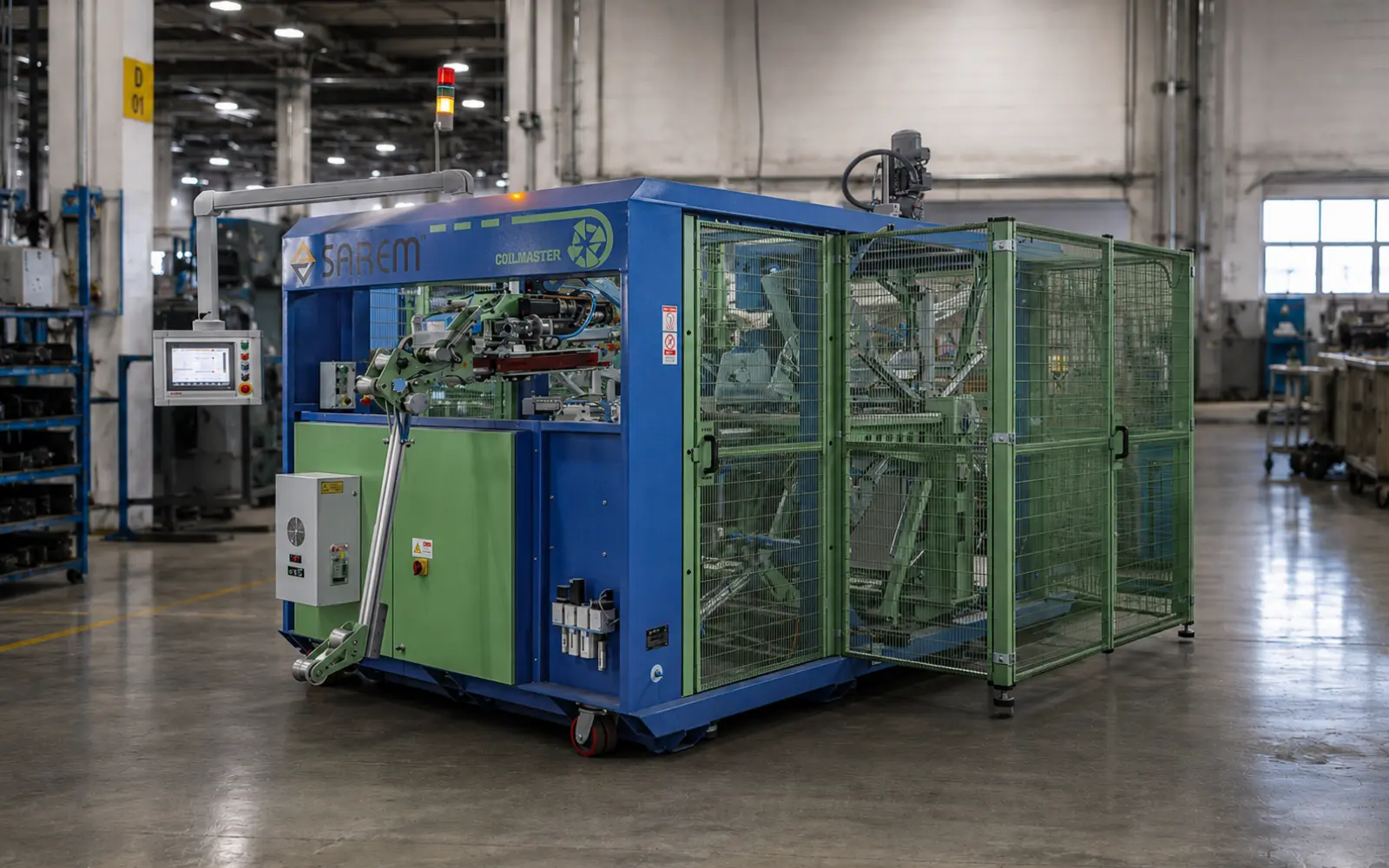
Automatic plastic pipe coilers add value when line speed, production hours or quality requirements make manual tasks a bottleneck. Depending on the design, automation may cover length measurement, controlled winding, cutting, station change, tying or strapping and coil discharge.
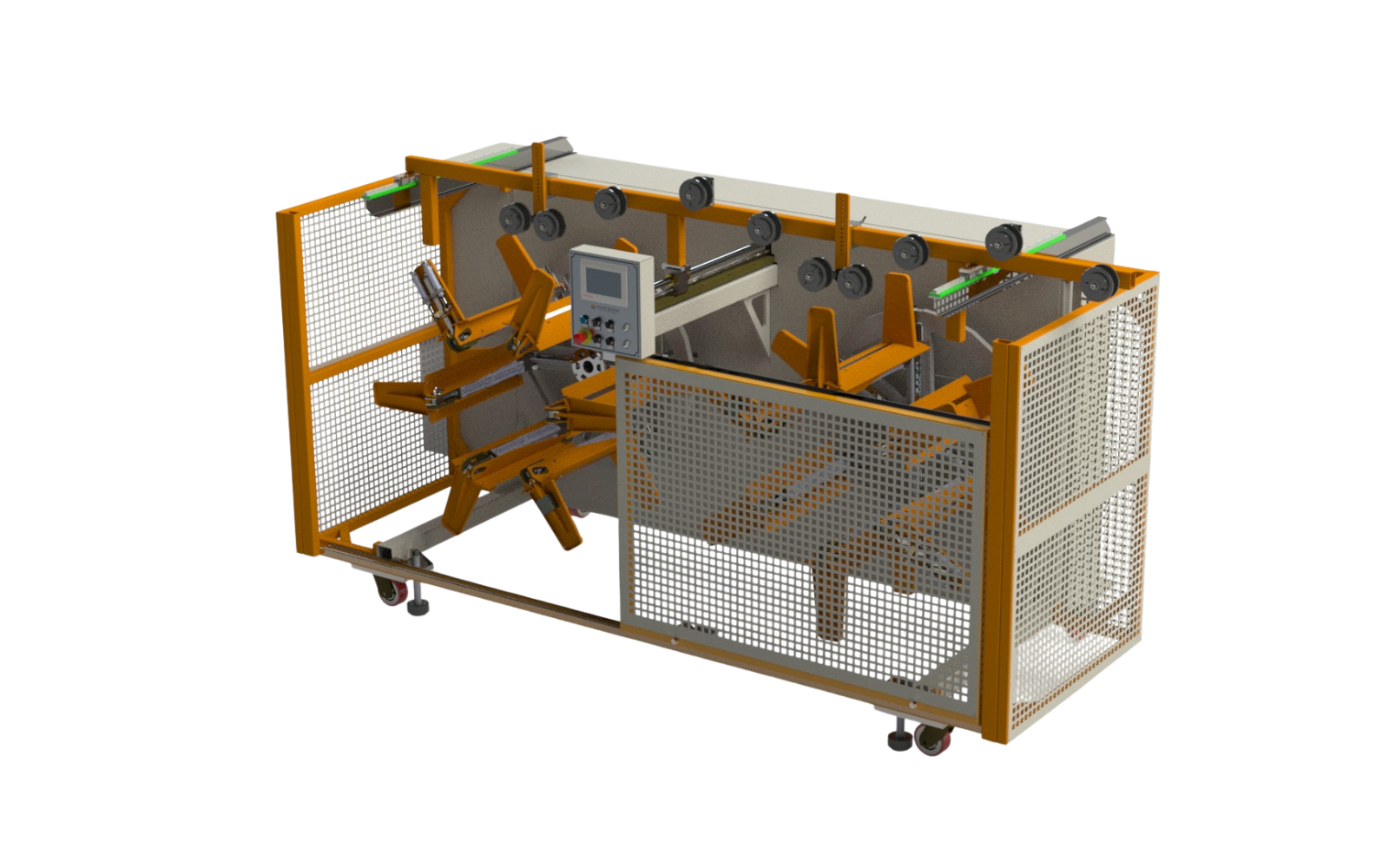
Double-station automatic coilers support continuous production by allowing one station to wind while the other coil is removed or discharged. This arrangement reduces interruption at coil completion and is especially useful for high-output irrigation, PE and HDPE pipe extrusion lines.
Recipe-based controls improve repeatability across diameters and coil formats. Operators can recall approved tension, traverse and speed settings instead of rebuilding the process after every changeover. Sensors and interlocks also make the sequence more predictable and support safer machine operation.
Automation is not automatically the best investment. Its benefit depends on stable products, sufficient volume, reliable upstream equipment and staff who can maintain the system. The supplier should explain the production assumptions used to calculate capacity and return on investment.
Comparing Labor, Output and Coil Consistency
Manual systems usually have lower purchase cost but require more hands-on labor and may create longer coil-change delays. Automatic coilers require a higher initial investment, yet they can improve output, coil consistency and traceability while reducing repetitive handling. Total cost should include labor, downtime, scrap, maintenance and expected service life.
Choosing the Right System for Your Extrusion Line
Prepare a technical sheet covering pipe sizes, SDR range, material, normal and maximum line speeds, coil dimensions, coil weight and packaging method. Then compare manual, semi-automatic and automatic solutions against measurable targets. Sarem configures coilers to match the extrusion line, plant layout and required level of automation.
Frequently Asked Questions
Is an automatic coiler necessary for every 16–32 mm line? No; lower-speed or flexible short-run production may favor a manual system. When is a double station useful? When coil changes would otherwise interrupt continuous output. Can automation improve quality? Yes, synchronized drives, recipes and controlled traverse can reduce variation, provided the system is correctly specified and maintained.