Automatic Pipe Coiler Maintenance Guide for Reliable Production
Why Preventive Maintenance Matters for Plastic Pipe Coilers
Preventive maintenance keeps an automatic pipe coiler available when the extrusion line needs it. Because the coiler works continuously with rotating assemblies, guides, drives, sensors and cutting equipment, small mechanical or electrical issues can quickly become coil-quality problems or unplanned production stops.
A maintenance program should protect both machine reliability and the finished pipe. Excessive friction, poor alignment or unstable tension may create scratches, flattened sections, crossed layers or loose coils even when the extrusion process itself is operating correctly.
The most effective approach combines short operator checks with scheduled technical inspections. Recording observations, alarms and corrective actions also helps maintenance teams identify recurring conditions before they affect a complete production campaign.
Daily and Weekly Automatic Coiler Inspection Checklist
At the start of each shift, inspect guards, emergency stops, pipe guides and the winding area. Remove plastic dust or loose strapping material, confirm that no object can interfere with rotating parts and check that safety devices remain functional.
Observe the first coil for unusual noise, vibration, slippage or irregular traverse movement. Compare actual tension and coil dimensions with the saved recipe, and investigate sudden corrections instead of compensating with increasingly aggressive settings.
Weekly checks should include drive belts or couplings, fasteners, guide rollers, bearings, pneumatic connections and accessible electrical sensors. Lubrication must follow the machine documentation; excessive lubricant can attract contamination and is not a substitute for correct alignment.
Verify cutting and strapping functions with the intended pipe size before sustained production. A clean cut, correctly positioned strap and controlled discharge sequence prevent a finished coil from loosening or becoming damaged during handling.
Critical Components That Affect Coil Quality
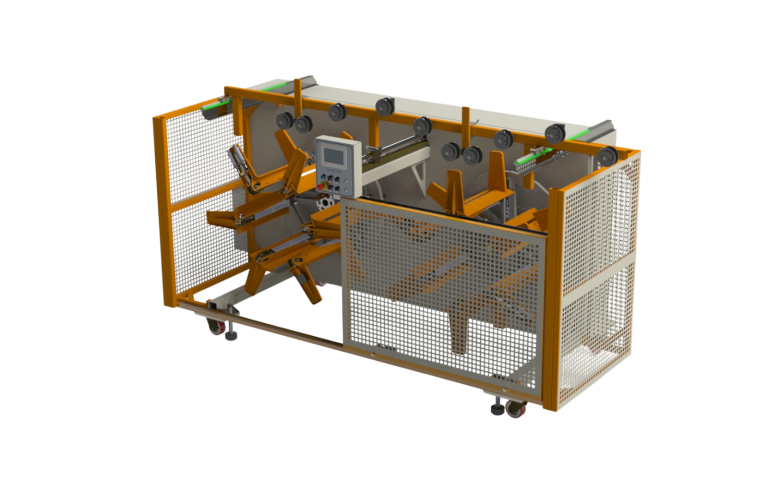
Guide rollers and traverse components determine how accurately the pipe is positioned across the coil. Worn surfaces, contamination or misalignment can cause side loading, crossed layers and visible marks, so contact surfaces should remain clean and appropriate for the processed material.
The winding drive and tension-control system must respond smoothly to line-speed changes. Inspect feedback devices, brakes, motors and transmission components when tension fluctuates, because unstable control can stretch flexible pipe or allow loops to form.
Sensors used for length measurement, station position, coil completion and transfer require correct alignment and clean detection surfaces. Intermittent signals may appear as random automation faults even when the mechanical system looks normal.
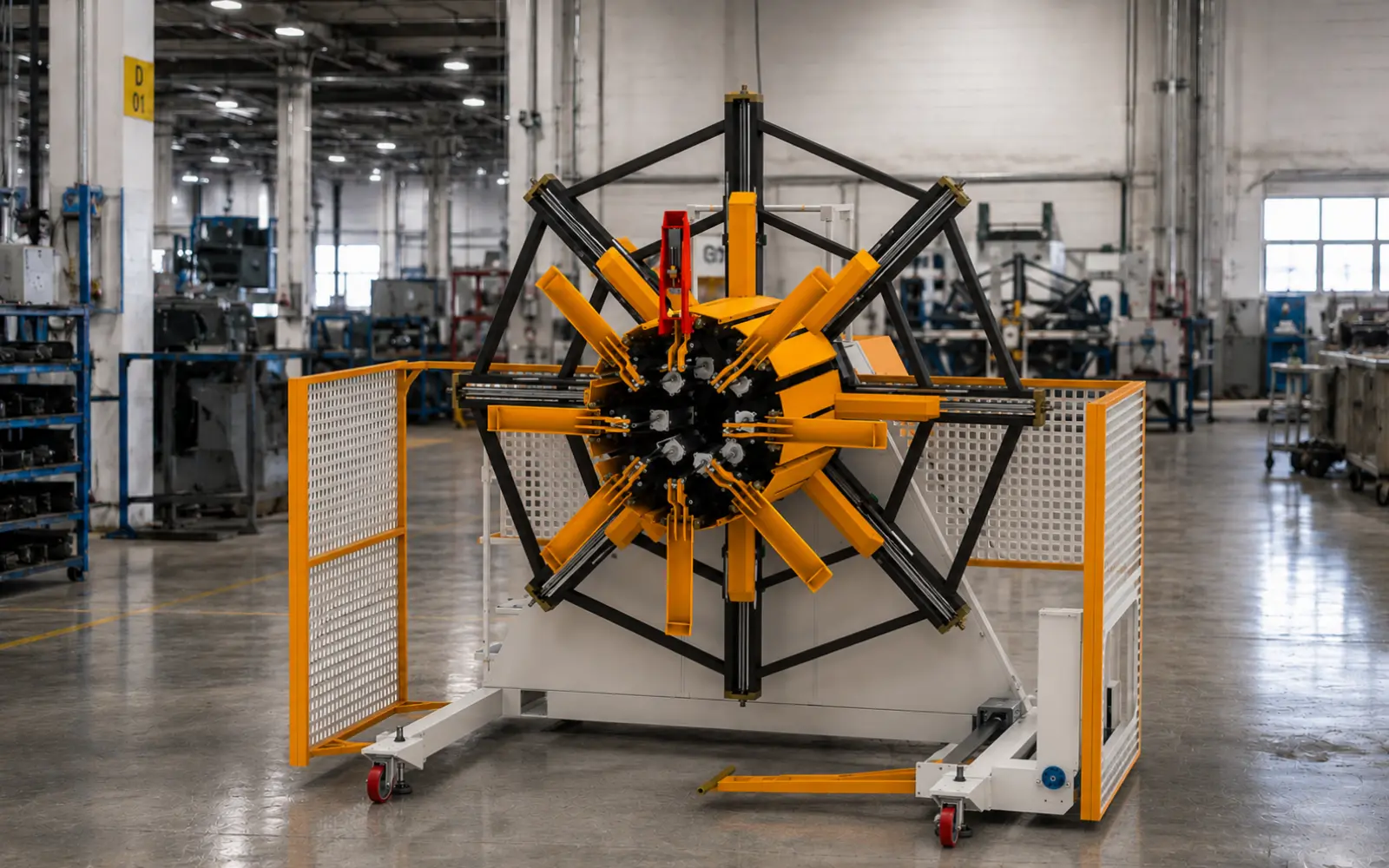
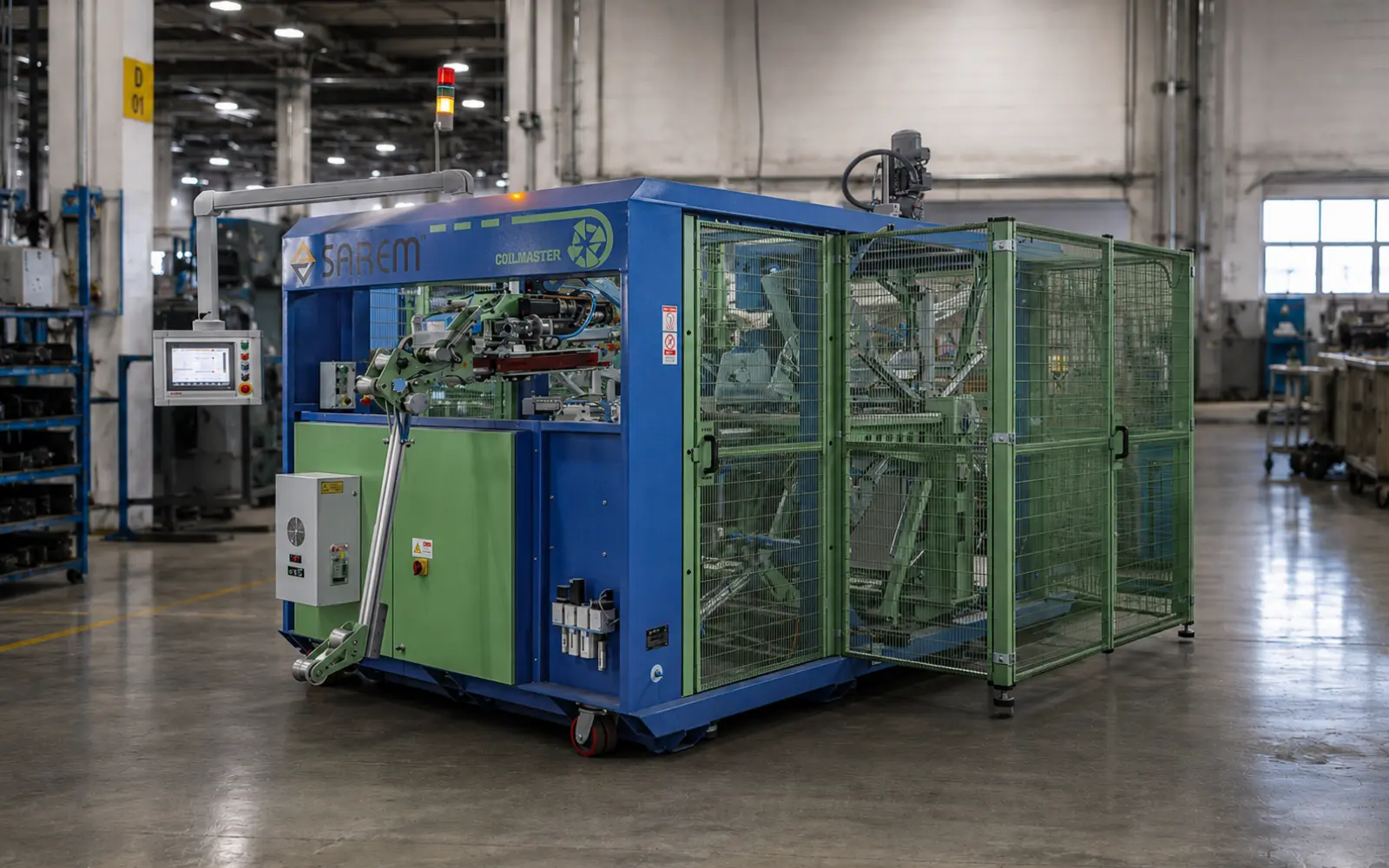
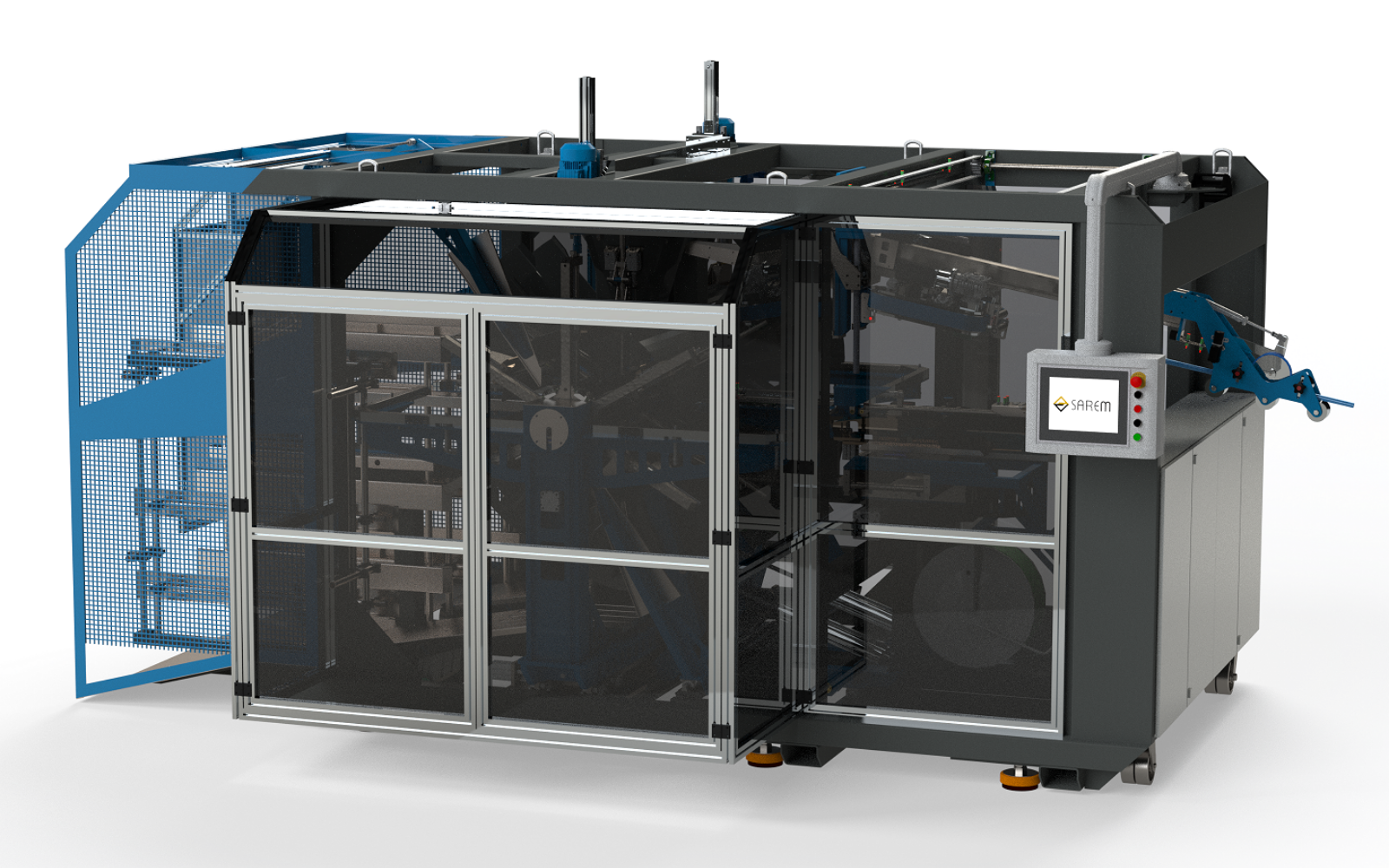
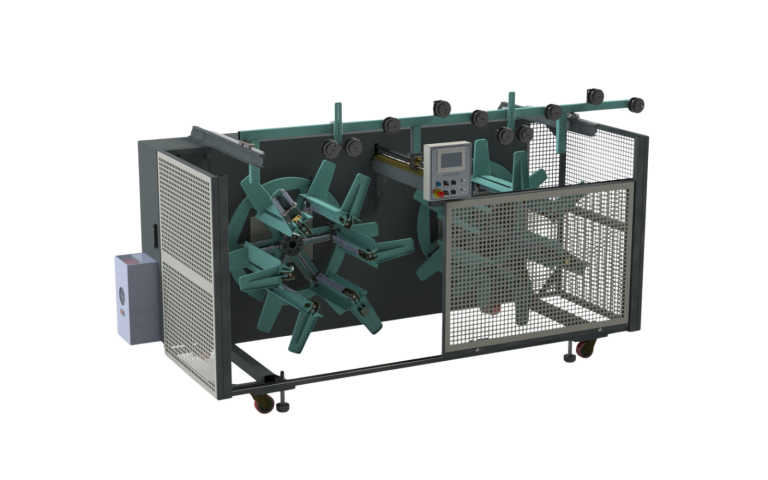
Cutters, clamps, straps and discharge mechanisms complete the packaging cycle. Their timing should be reviewed together: a reliable coiler is not only a winding machine, but a coordinated automatic coiling system that safely releases a repeatable finished package.
Common Pipe Coiling Problems and Corrective Actions
Loose coils usually indicate insufficient or inconsistent tension, while flattened pipe may point to excessive tension, unsuitable coil geometry or pipe that is still too warm. Uneven edges often require traverse, guide or alignment checks. When faults occur, document the pipe recipe and operating condition before changing multiple settings; one controlled correction at a time makes the true cause easier to identify.
Maintenance Planning for PE, HDPE, PEX and PE-RT Lines
Maintenance intervals should reflect material, diameter range, production hours and the surrounding environment. A PE or HDPE line producing heavier coils may load drives and handling equipment differently from a PEX or PE-RT line processing flexible small-diameter pipe. Coordinate planned coiler service with extrusion-line maintenance so the complete line returns to production together.
Frequently Asked Questions About Coiler Maintenance
How often should an automatic pipe coiler be inspected? Operators should perform basic checks every shift, with deeper inspections scheduled according to operating hours and the manufacturer’s documentation. What should be checked first when coil quality changes? Review guides, traverse, tension, pipe temperature and recipe selection. Can maintenance reduce downtime? Yes—clean sensors, correct alignment, timely replacement of wear parts and recorded inspections prevent many avoidable stops.



2 Responses