Tension Control and Coil Quality in 16–32 mm PE Pipe Coiling
Why Tension Control Matters in PE Pipe Coiling
Tension control is one of the most important factors in 16–32 mm PE pipe coiling. The coiler must pull the pipe firmly enough to build a stable package, but gently enough to protect its diameter, wall thickness and surface. A balanced system supports both product quality and dependable downstream handling.
If winding tension is too high, flexible PE or HDPE pipe may stretch, flatten or develop pressure marks. Excessive force can also transmit back toward the haul-off unit and disturb the extrusion process. These risks become more visible on thin-wall irrigation and small-diameter pipe.
When tension is too low, turns may loosen, overlap or shift after the coil leaves the drum. An unstable coil requires extra operator correction and can lose its shape during strapping, storage or shipment. Consistent tension therefore reduces waste while improving the presentation of the finished product.
How Line Speed and Tension Work Together
The coiler and haul-off machine should respond as a coordinated system. Changes in extrusion line speed alter the incoming pipe rate, so the winding drive must accelerate or decelerate smoothly. Encoder signals and variable-frequency or servo-controlled drives allow the coiler to follow these changes without sudden pulling forces.
A dancer, tension arm or other feedback device can absorb short variations and send correction data to the controller. The correct method depends on pipe stiffness, speed range and machine design. What matters is a stable feedback loop that prevents hunting and keeps tension within the validated production window.
Operators should avoid tuning only at maximum speed. Start-up, product transitions and line slowdown can create the largest tension changes. Testing the full operating range provides safer recipes and helps the automatic pipe coiler maintain quality through every stage of the production cycle.
For repeat orders, store approved speed, torque and tension values by pipe size. Recipe management reduces setup time and gives different shifts a common standard, improving repeatability across long production campaigns.
Traverse Adjustment and Layer Distribution
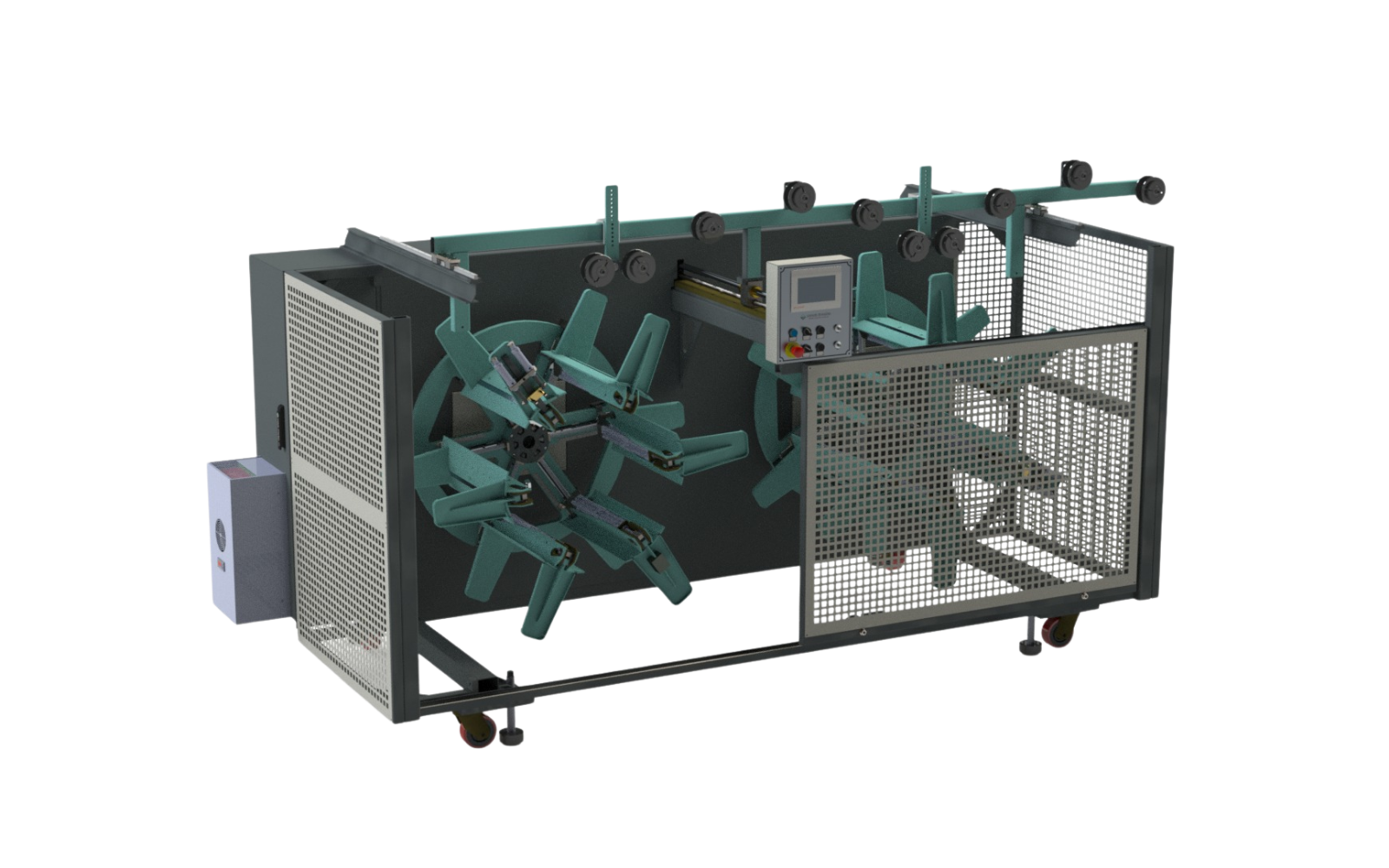
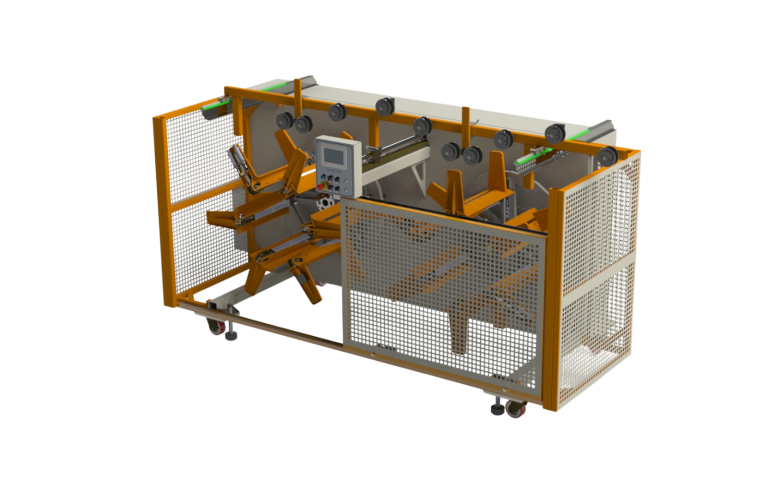
Traverse movement determines how the pipe is distributed across the coil width. The guide pitch should match the pipe outside diameter and winding conditions so adjacent turns sit evenly. Incorrect traverse speed can create gaps, crossing layers or local pressure points that affect coil stability.
Guide alignment is equally important. The pipe should approach the drum without twisting or rubbing against edges. Adjustable guide components help accommodate the complete 16–32 mm range, while smooth contact surfaces protect the pipe from scratches during continuous winding.
Coil geometry should be checked by measuring inside diameter, outside diameter, width and sidewall alignment. These dimensions influence packaging, pallet use and customer handling. A visually compact coil is valuable, but dimensional consistency is the more reliable production-quality indicator.
After changing pipe diameter, wall thickness or material grade, verify the first coil before releasing the batch. A short inspection can detect a traverse or tension setting that was suitable for the previous product but not for the new one.
Preventing Ovality, Surface Marks and Loose Coils
Ovality often comes from excessive radial pressure or pulling force, while surface marks may result from rough guides, misalignment or accumulated contamination. Loose coils usually indicate low tension or poor traverse distribution. Preventive cleaning, calibrated sensors and well-documented recipes address these causes before they generate scrap.
Production Data for Stable Coil Quality
Record the pipe diameter, SDR, material, line speed, coil dimensions, tension setting, traverse pitch and finished-coil weight. Together, these values create a practical quality history. Sarem can use this production data to configure and integrate a PE pipe coiler for the customer’s real operating conditions.
Frequently Asked Questions
How should tension be set? Begin with the pipe manufacturer’s validated range and increase only enough to form a stable coil without deformation. Why do layers cross? Common causes include incorrect traverse pitch, guide misalignment or sudden speed changes. Can settings be reused? Yes, recipe-based controls make approved parameters repeatable, but the first coil should always be checked after a changeover.



One Response