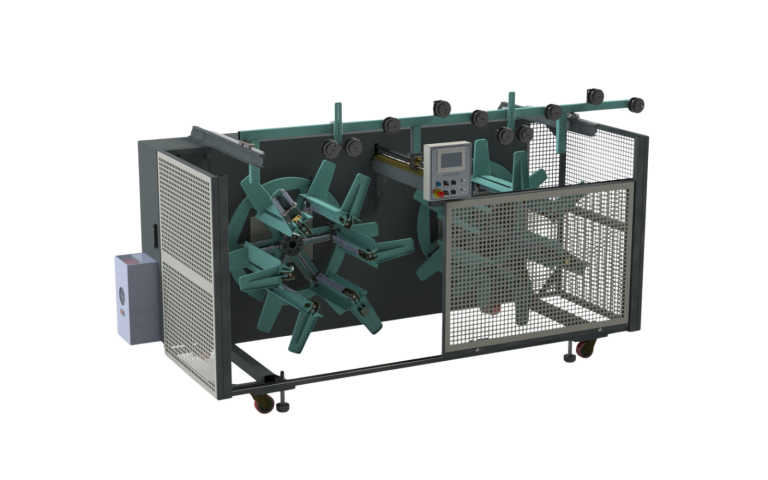
16–32 mm PE Pipe Coiler Selection Guide
What Is a 16–32 mm PE Pipe Coiler?
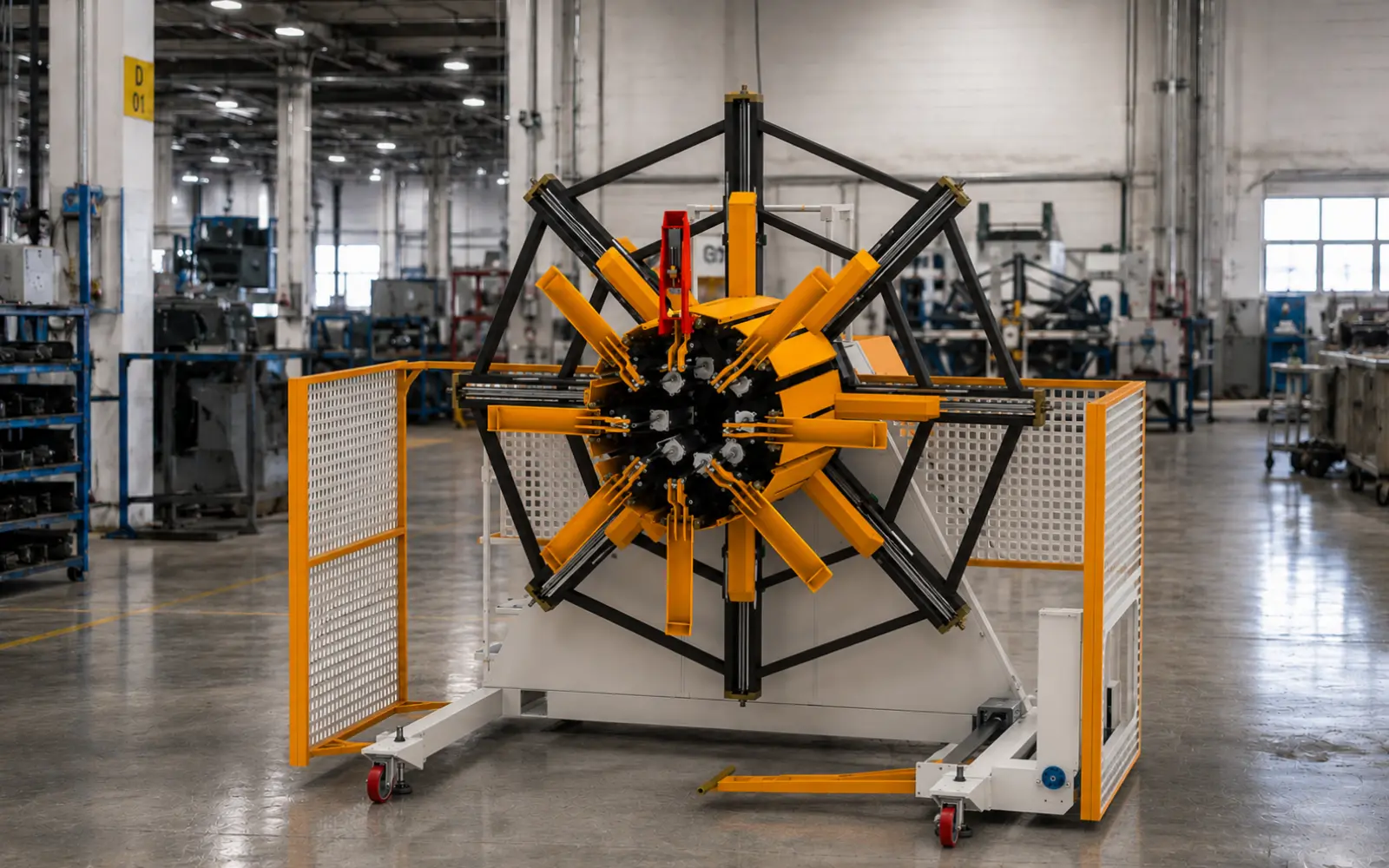
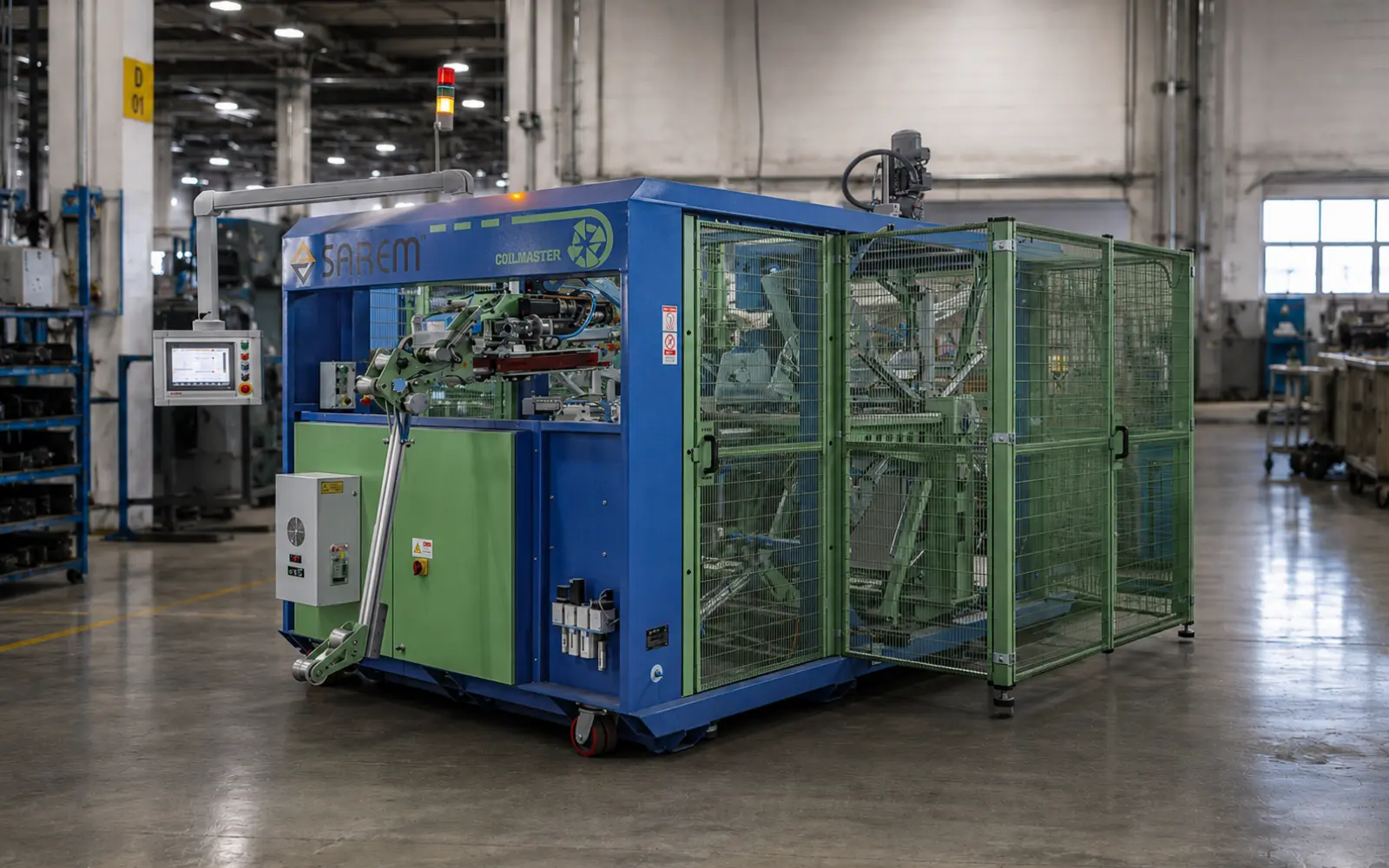
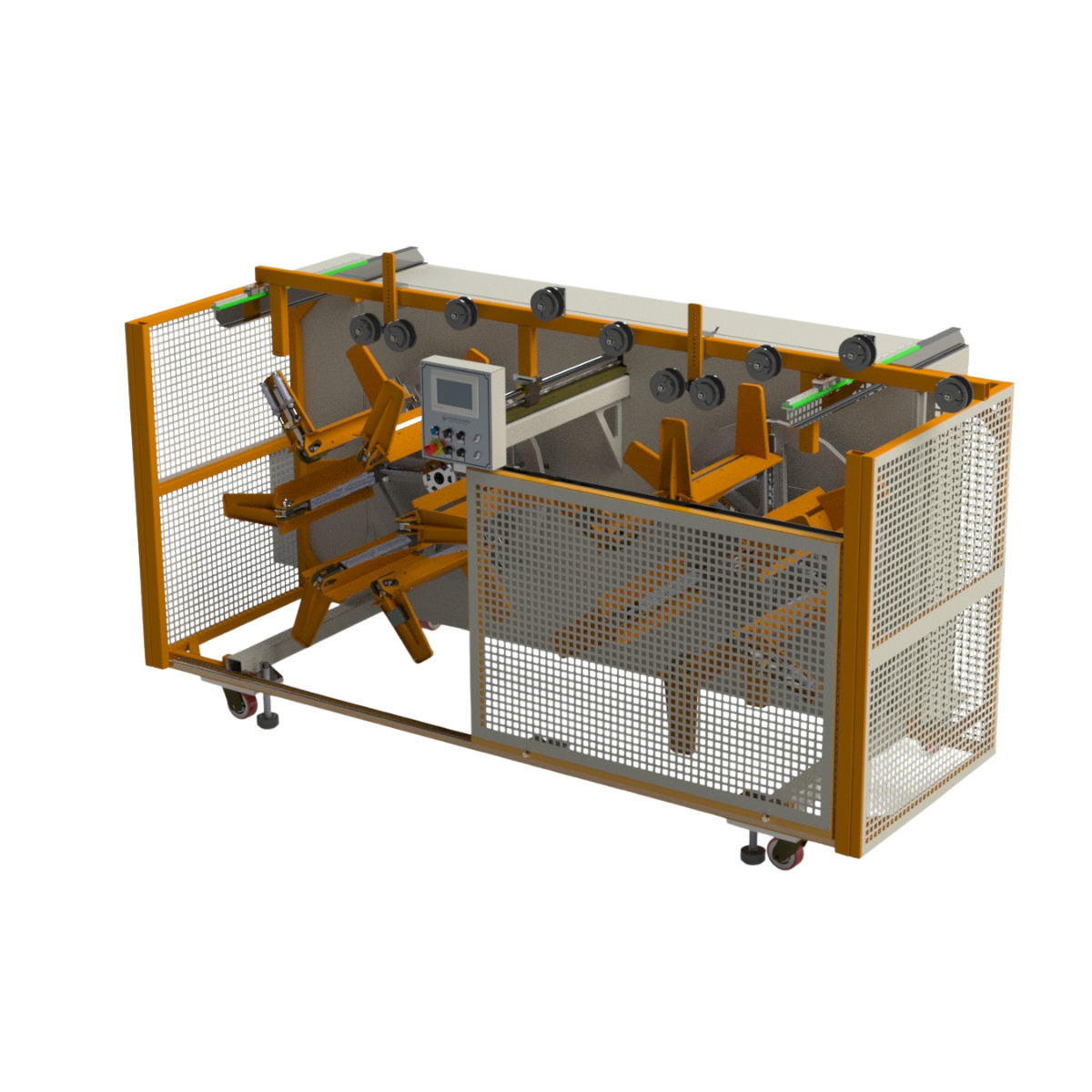
A 16–32 mm PE pipe coiler is designed to collect flexible polyethylene pipe directly after extrusion and form stable, transport-ready coils. It is commonly used for irrigation pipe, water pipe, cable protection pipe and other small-diameter PE or HDPE products where consistent winding protects both appearance and dimensional quality.
Selecting the correct machine is not only a question of pipe diameter. Wall thickness, pipe stiffness, extrusion line speed, required coil length and packaging method all influence the coiler configuration. A system matched to these parameters helps reduce deformation, loose layers and unplanned production stops.
For continuous production, manufacturers should also consider changeover frequency and operator workload. Single-station coilers can suit lower-output lines, while double-station or automatic pipe coilers allow one coil to be discharged as the next station continues winding, supporting higher uptime.
Key Technical Data for Coiler Selection
Start with the complete pipe range: minimum and maximum outside diameter, SDR or wall-thickness range, material grade and expected line speed. A 16 mm drip or irrigation pipe can behave very differently from a thicker 32 mm HDPE pipe, even when both products are made on the same extrusion line.
Define the required coil outside diameter, inside diameter, width, length and target weight. These values determine drum dimensions, traverse movement and motor torque. Sharing real production samples or technical drawings with the coiler manufacturer makes equipment sizing more reliable and prevents costly adjustments after commissioning.
Line speed must be specified as a normal operating range, not only as a theoretical maximum. The pipe coiler should follow changes from the haul-off unit without creating excessive pull. Encoder feedback, synchronized drives and suitable control logic improve repeatability during acceleration, steady production and deceleration.
Other useful project data includes coil tying requirements, cutting method, discharge direction, available floor space, electrical standards and preferred automation level. A clear technical specification allows suppliers to compare equivalent solutions and helps buyers evaluate total value rather than machine price alone.
Tension Control and Coil Geometry
Stable tension is essential for producing compact coils without flattening or stretching the pipe. Too much pulling force may increase ovality, mark the surface or affect dimensions. Too little tension can create loose layers that shift during handling, storage or transport.
The traverse system should distribute the pipe evenly across the coil width. Correct pitch, drum speed and guide alignment prevent overlapping turns and gaps. For varying pipe diameters, recipe-based settings let operators recall validated parameters quickly and maintain consistent coil geometry between batches.
Good control systems coordinate the coiler with the extrusion line and haul-off machine. Sensors can monitor pipe presence, coil length and station status, while variable-speed drives make smooth corrections. This coordinated approach protects product quality and reduces sudden tension changes during line disturbances.
Before final acceptance, test the machine with the smallest, largest and most demanding products in the production range. Confirm coil dimensions, winding stability, surface quality and safe discharge. Documenting the approved settings gives operators a practical starting point for future production.
Manual, Semi-Automatic or Automatic Coiling?
Manual coilers offer a straightforward and economical solution for lower speeds, short runs or frequent product trials. Semi-automatic systems reduce selected operator tasks, while fully automatic plastic pipe coilers can manage winding, cutting, station change and coil discharge with minimal interruption. The best choice depends on output targets, labor availability and packaging standards.
Integration with the PE Pipe Extrusion Line
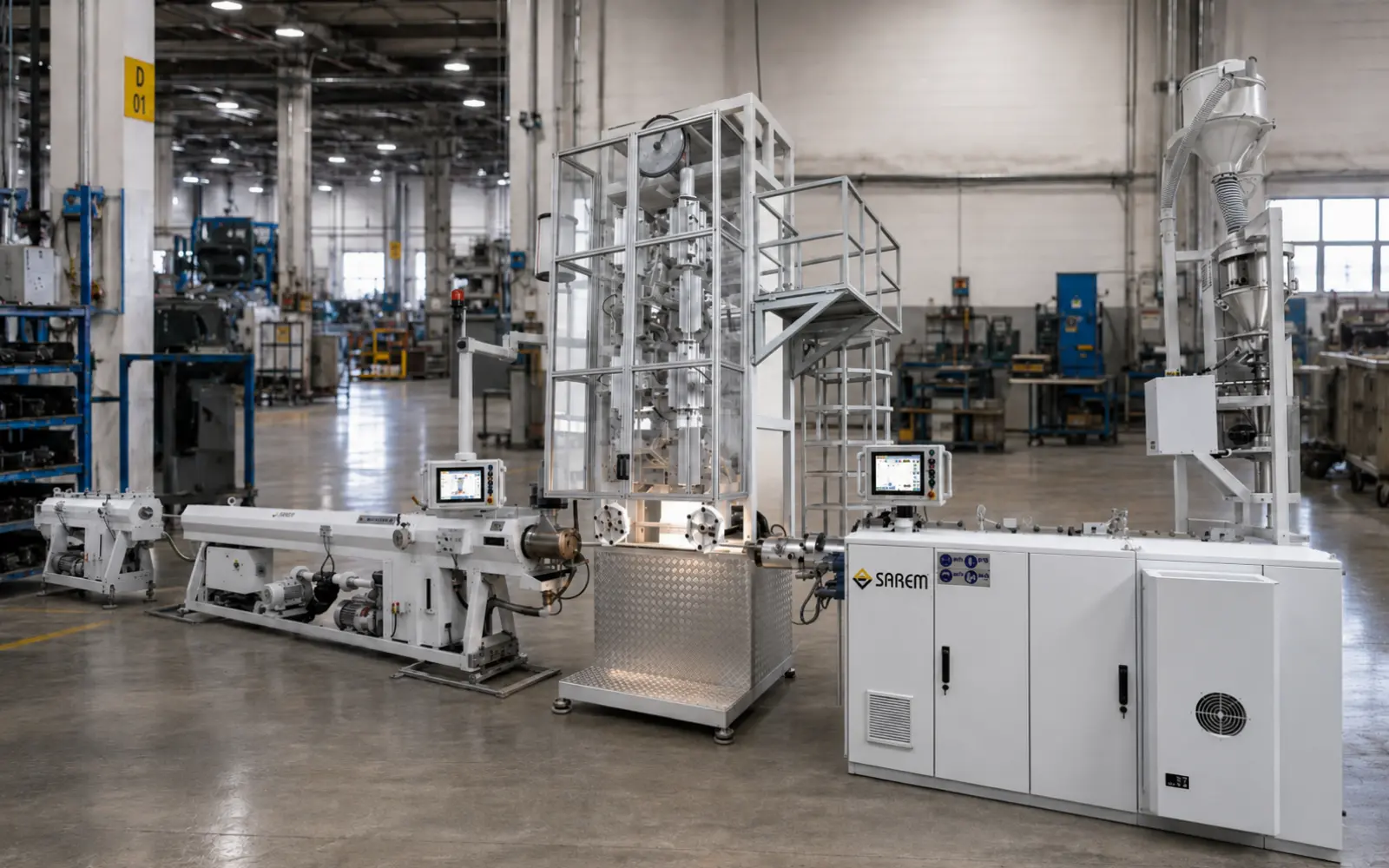
A PE pipe coiler should be evaluated as part of the complete extrusion process. Matching communication signals, line direction, haul-off speed and safety interlocks supports smooth commissioning. Sarem develops coiling solutions around the customer’s pipe range, production layout and operating priorities for reliable integration.
Frequently Asked Questions
What information is needed for a quotation? Provide pipe diameters, wall thicknesses, materials, line speeds, coil dimensions and automation expectations. Is a double-station coiler always necessary? No; it is most valuable when continuous output and reduced changeover downtime justify the investment. Can one coiler handle several products? Yes, when its drum, traverse, torque and control range are correctly specified.