How Automatic Plastic Pipe Coilers Improve Production Efficiency
Why Automatic Coiling Matters in Continuous Pipe Production
An automatic plastic pipe coiler is the final production-stage system that converts continuously extruded pipe into stable, repeatable and transport-ready coils. When it is synchronized with the pipe extrusion line, winding no longer becomes a bottleneck between production, packaging and warehouse operations.An automatic pipe coiler should be specified around the pipe and production process, not selected from a machine name alone. The starting data are pipe material, diameter range, wall thickness, line speed, coil dimensions, coil length and finished coil weight.
These values influence reel geometry, drive capacity, guide movement, cutting method, strapping arrangement and discharge handling. A machine that is suitable for small PEX coils may not be appropriate for heavier HDPE coils even when both products are flexible.
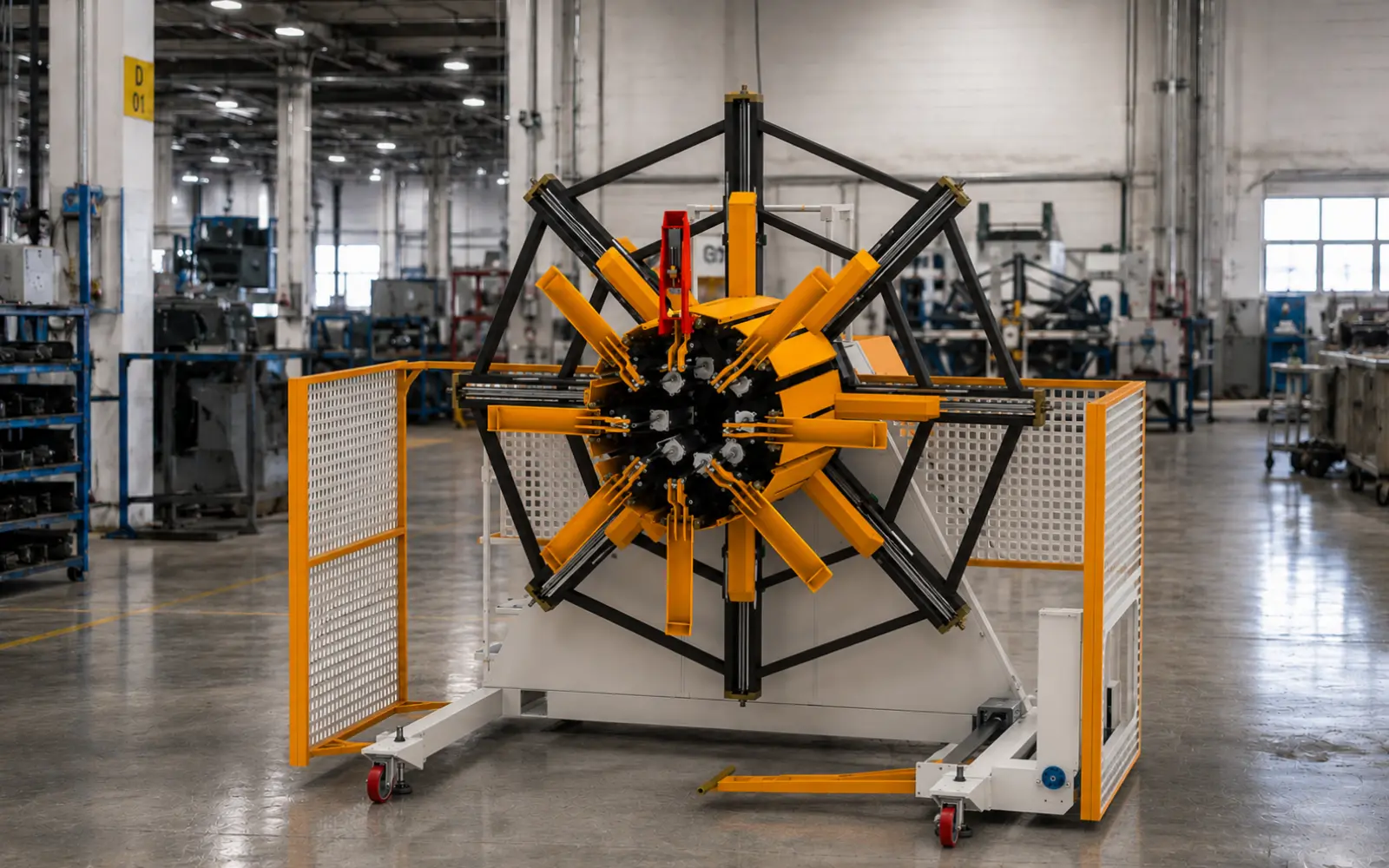
A properly specified automatic pipe coiler also supports continuous production during reel changeover. Dual-station or back-to-back configurations can keep the line running while a completed coil is cut, secured and discharged, improving output without forcing unnecessary extrusion-line stops.This buying guide organizes the questions a pipe manufacturer should answer before requesting a quotation. Clear production data enables the supplier to engineer a coiler that works with the complete extrusion line and avoids an end-of-line bottleneck.
Key Functions of an Automatic Plastic Pipe Coiler
Line synchronization is the foundation of an efficient automatic coiling system. The coiler should follow real production speed and react smoothly to acceleration or deceleration so that the pipe remains controlled between the haul-off unit and the winding station.Pipe diameter is only one part of compatibility. Wall thickness, material stiffness, production temperature and minimum acceptable bending radius affect how the product can be wound. The coil inside diameter must be large enough to protect pipe shape and avoid excessive residual stress.
PE and HDPE products can vary from flexible small-diameter pipe to heavier utility pipe. PEX and PE-RT heating pipes require orderly winding for easy transport and installation. Drip irrigation pipe may demand high-speed handling and frequent finished coils.
Provide the complete product matrix rather than one nominal size. Identify the smallest and largest pipe, expected coil formats and any products that need special surface protection or controlled bending.
Automation may also coordinate length measurement, pipe cutting, coil strapping and discharge. Combining these steps reduces manual handling and makes coil length, outer diameter and width more repeatable across shifts, operators and production campaigns.When several materials will run on one coiler, recipe-based settings are valuable. Operators should be able to recall appropriate winding speed, traverse movement and coil dimensions without rebuilding the process after every changeover.
How Automatic Coilers Reduce Downtime and Labor
The coiler must accept pipe at the rate delivered by the haul-off. If it cannot follow peak line speed, production must slow or stop while the coil is completed. Published reel speed alone is not enough because cutting, strapping, discharge and restart time also affect continuous capacity.
Ask how the machine tracks line speed and manages tension during acceleration, deceleration and coil transfer. The pipe should move smoothly between the haul-off and reel without being stretched or allowed to touch the floor.
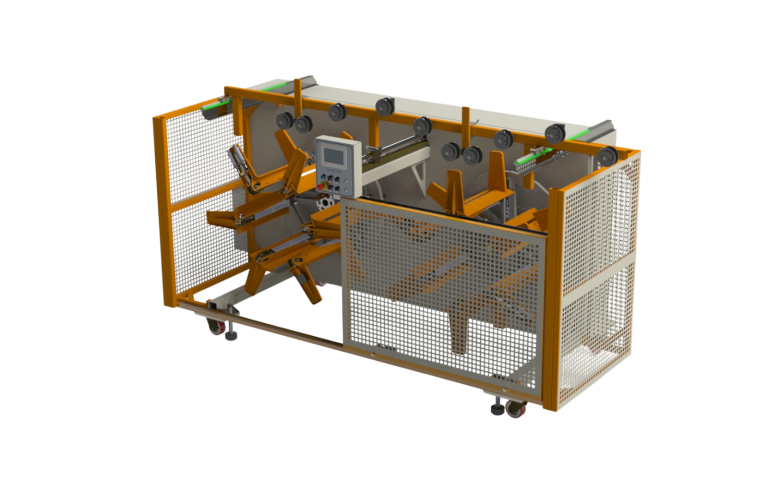
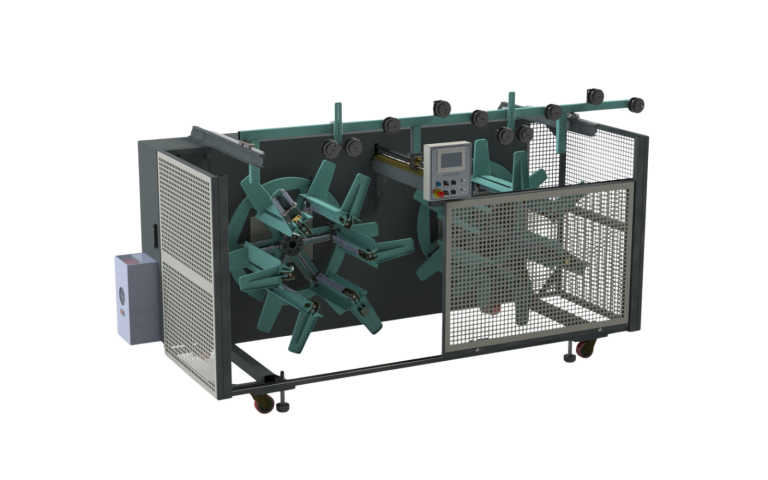
For high-output production, evaluate single- and double-station configurations. A second station can allow the next winding cycle to begin while a completed coil is secured or discharged, depending on the automation concept.
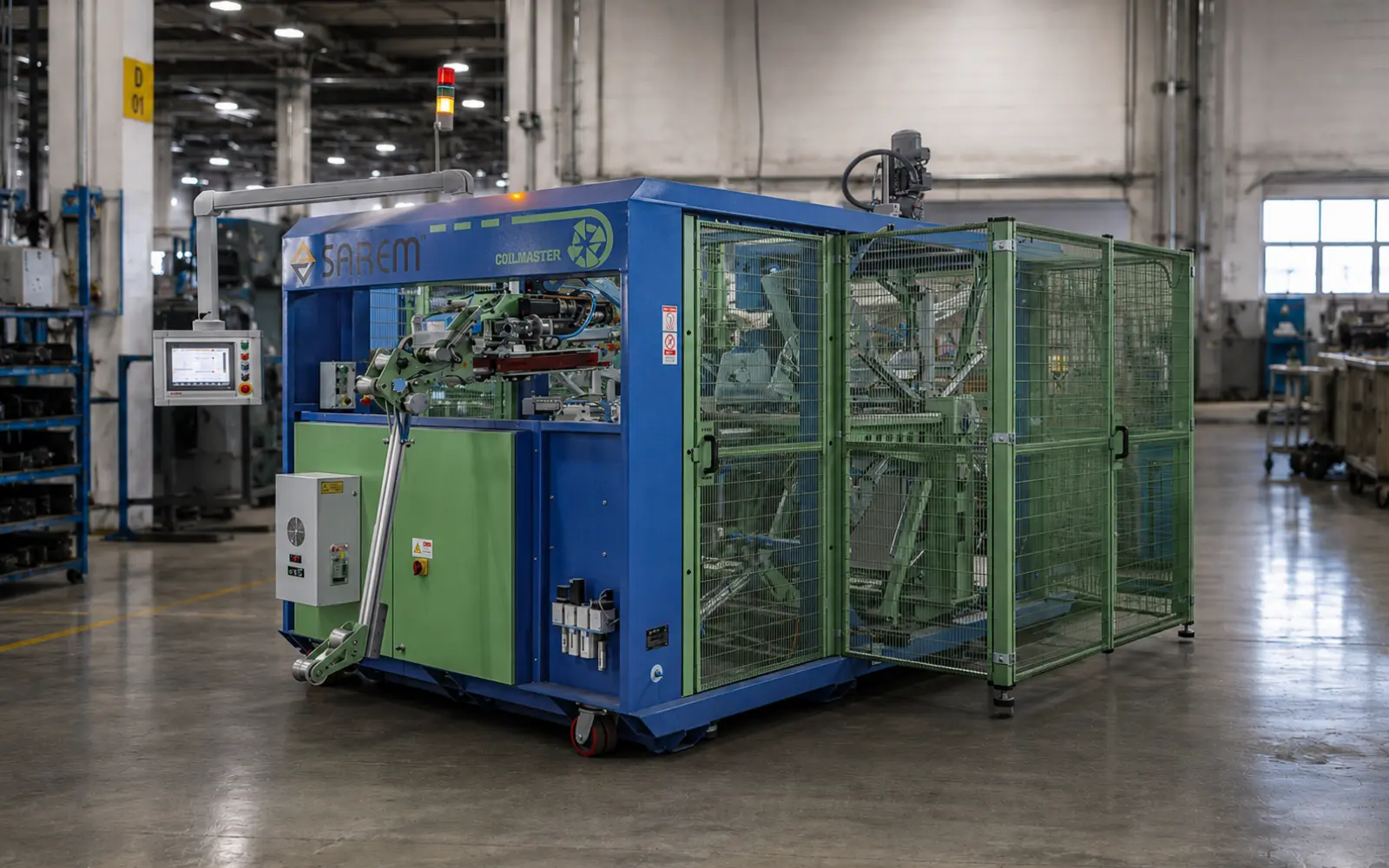
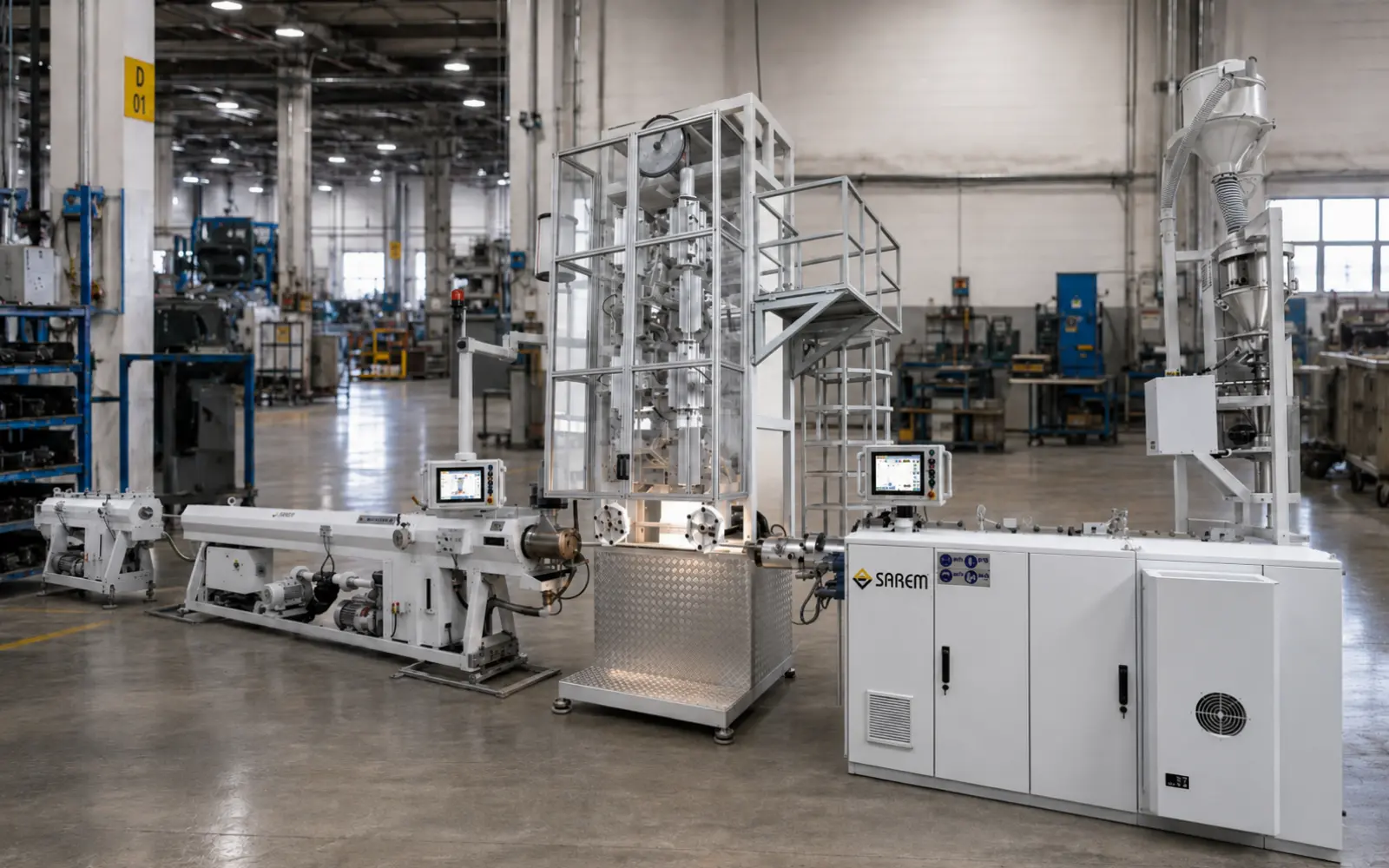
Integration signals and control architecture should be agreed with the line supplier. Sarem Makina engineers automatic plastic pipe coilers to operate as part of the downstream process rather than as an isolated machine.
Production Data Required for the Right Coiler
Define the required coil inside diameter, outside diameter and width for every product. Add target length, allowable tolerance, maximum weight and preferred strapping positions. These dimensions affect reel construction, traverse travel and finished-coil stability.
Consider what happens after discharge. The coil must be safe for an operator, conveyor, lifting device or packaging station to handle. Available floor space and the direction of material flow should be included in the layout.
If customers use several coil sizes, request adjustment ranges and changeover procedures. Quick, repeatable settings can be as important as maximum capacity in a multi-product factory.
Coil specification sheet
- Pipe outside diameter and wall thickness
- Coil inside diameter, outside diameter and width
- Target length and permitted tolerance
- Maximum finished coil weight
- Number and position of straps
- Discharge orientation and next handling step
Agreeing these values in writing prevents different interpretations during design and acceptance testing.
Integration with PE, HDPE, PEX and PE-RT Extrusion Lines
Clarify which functions are automatic: length measurement, cutting, strapping, reel change, discharge and transfer. Review guarding, access doors, interlocks, emergency stops and safe removal of off-spec pipe. Operators need clear visibility without entering hazardous areas.
Supplier evaluation should cover commissioning, operator training, documentation, remote assistance, spare parts and maintenance access. Ask how recipes, alarms and production data are presented on the control interface.
For a project-based recommendation, send your product matrix and line data to the Sarem engineering team.
Factory acceptance should include representative minimum and maximum pipe sizes, a line-speed change, length verification, coil transfer and safe discharge. Record the finished coil dimensions and examine pipe shape and surface quality. Commissioning at the production site should then confirm communication with the haul-off and upstream controls.
Maintenance planning deserves the same attention as performance. Check access to drives, sensors, cutters and strapping units, and identify recommended spare parts before production begins.
Frequently Asked Questions About Automatic Pipe Coilers
Automatic pipe coiler buying checklist
Prepare pipe material, diameter and wall-thickness ranges; minimum and maximum line speed; coil inside diameter, outside diameter, width, length and weight; required cutting and strapping method; discharge direction; available floor space; power standard; and communication requirements.
Should the coiler supplier know haul-off speed?
Yes. Haul-off and coiler performance must be coordinated because their speed relationship determines pipe tension and production continuity.
Is a double-station coiler always necessary?
No. It is useful when coil-change time would otherwise interrupt a high-output line. A single station may be appropriate for slower production, larger coils or applications where changeover time is acceptable.
What should be included in a supplier quotation?
The quotation should state the supported pipe and coil ranges, operating speed assumptions, included automation functions, utilities, controls, guarding, commissioning, training, documentation and exclusions. Comparable scope makes supplier evaluation more reliable.




2 Responses