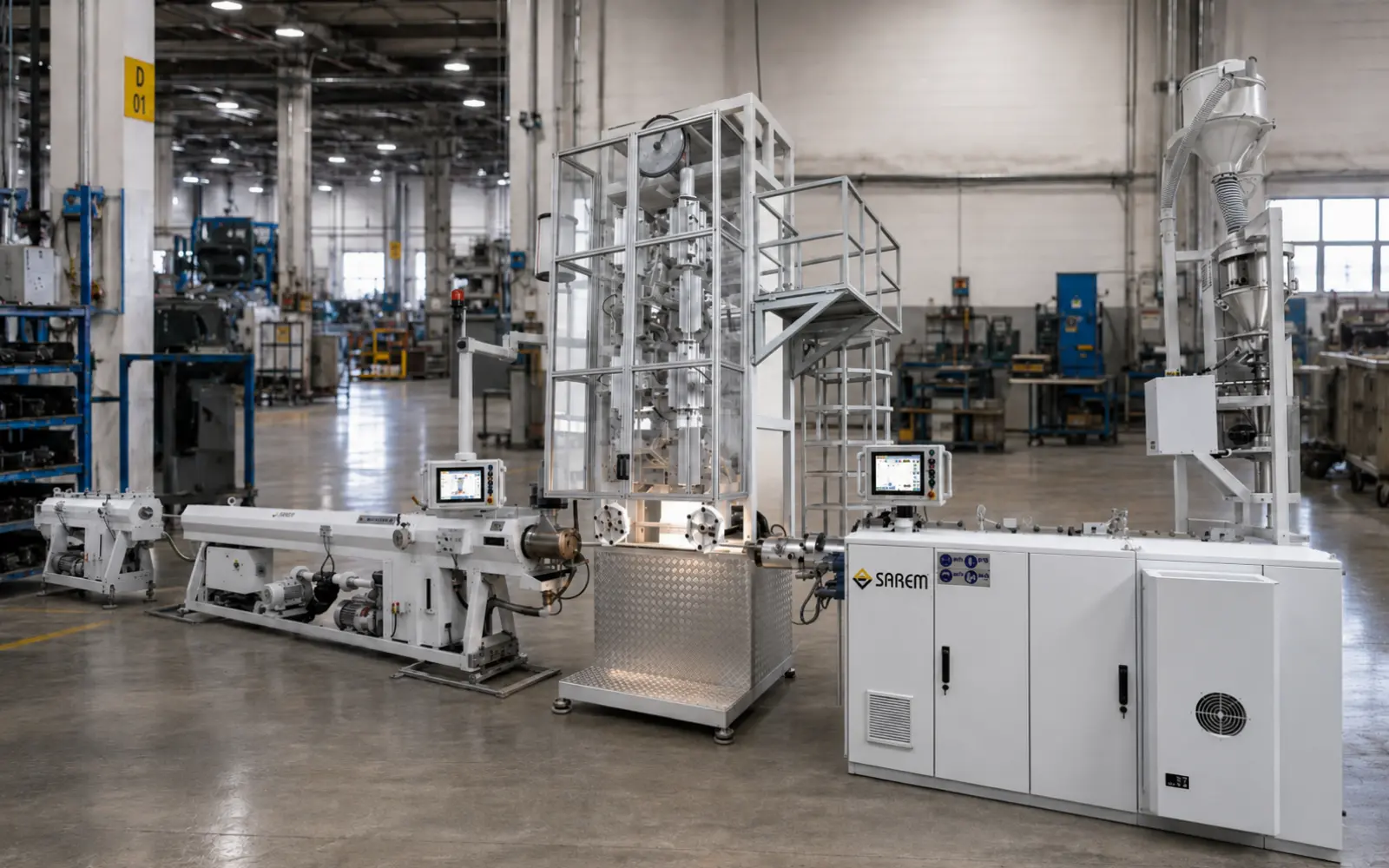
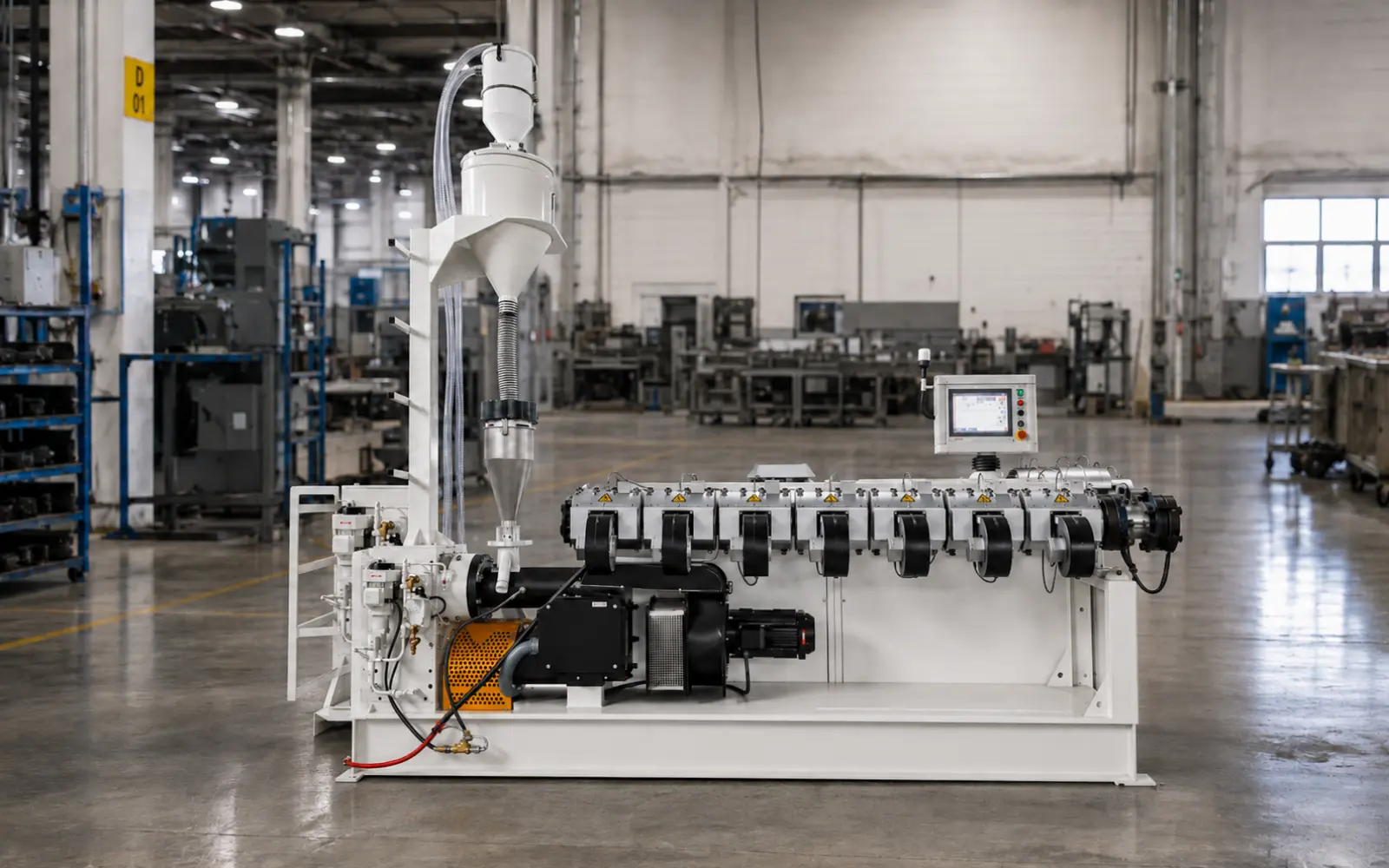

- Sarem Controlled Pipe Coiling Coilers
Flexible and Controlled Pipe Coiling with Manual Coilers

Controlled Coiling
Operator-controlled winding creates uniform, transport-ready pipe coils.
Flexible Line Compatibility
Suitable for PE, PEX, PE-RT and multilayer pipe production lines.
Safe Operation
Emergency stops and safety guards support reliable operator protection.
Flexible and Controlled Pipe Coiling with Manual Coilers
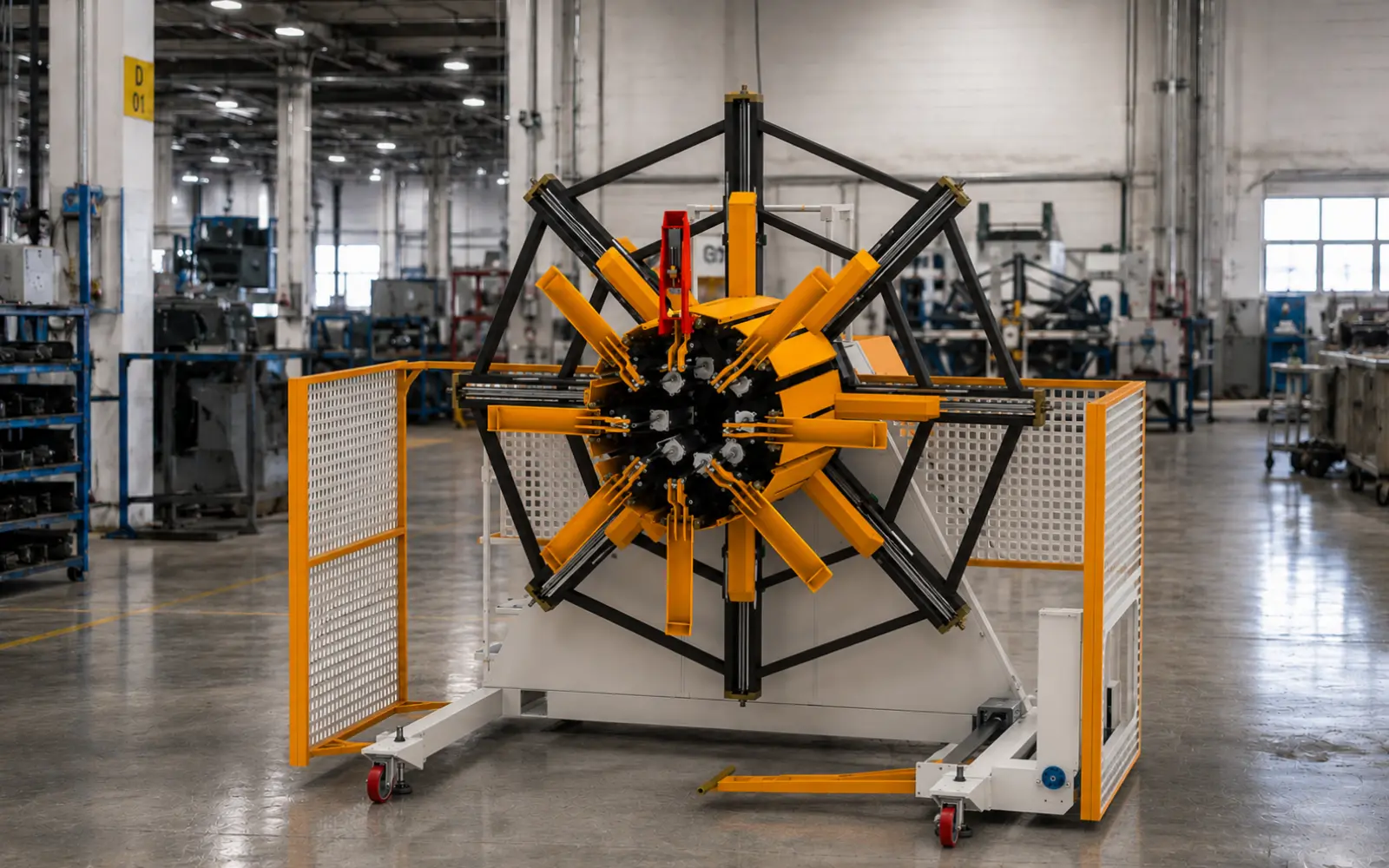
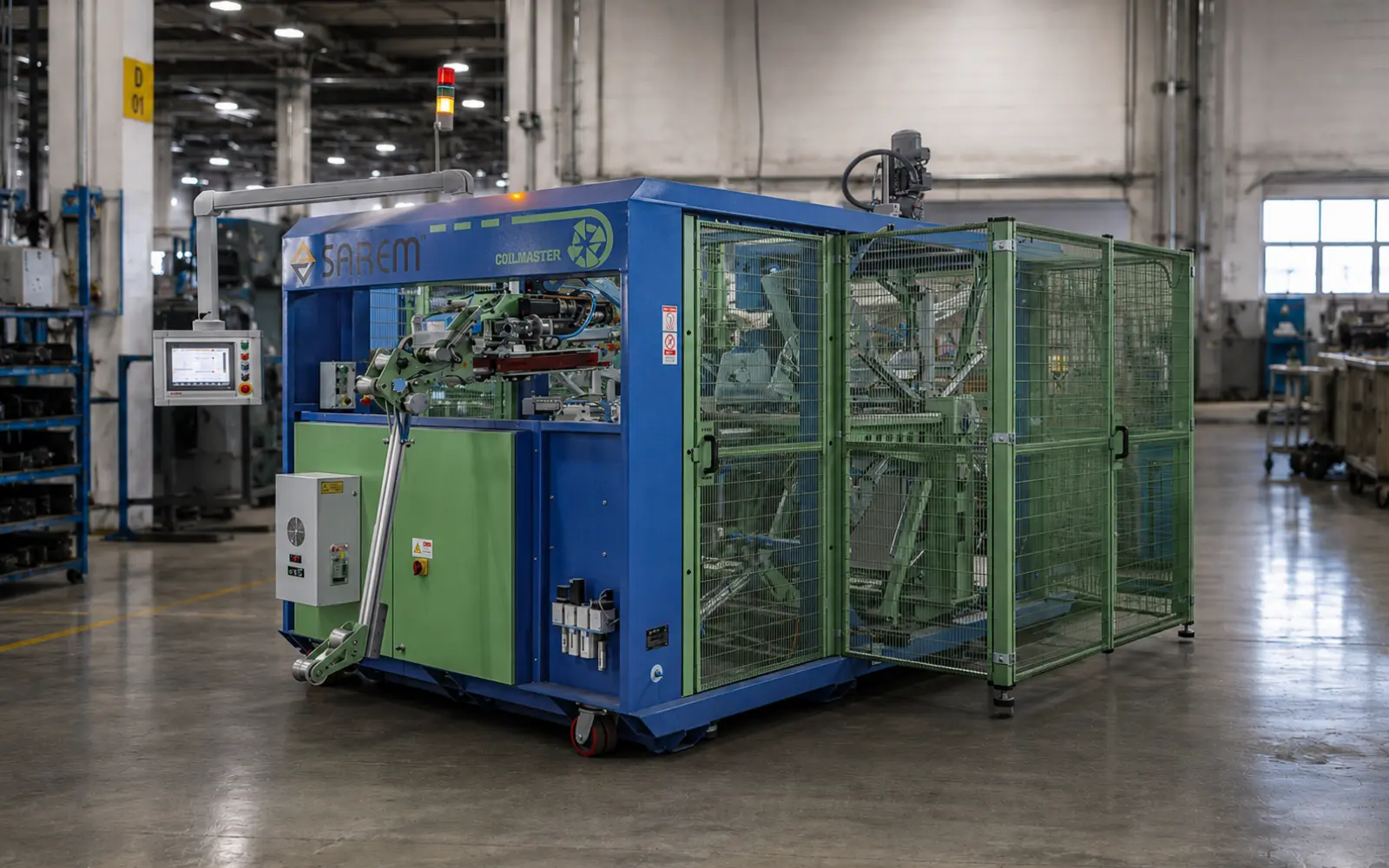
Manual pipe coilers are practical end-of-line machines designed to wind plastic pipes in a controlled and efficient manner. Commonly used in PE pipe lines, PEX pipe production lines, PE-RT pipe lines and multilayer pipe applications, these systems help create uniform coils that are easier to handle, store and transport. Operator-controlled winding provides flexibility for different production requirements while maintaining an organized coil structure.
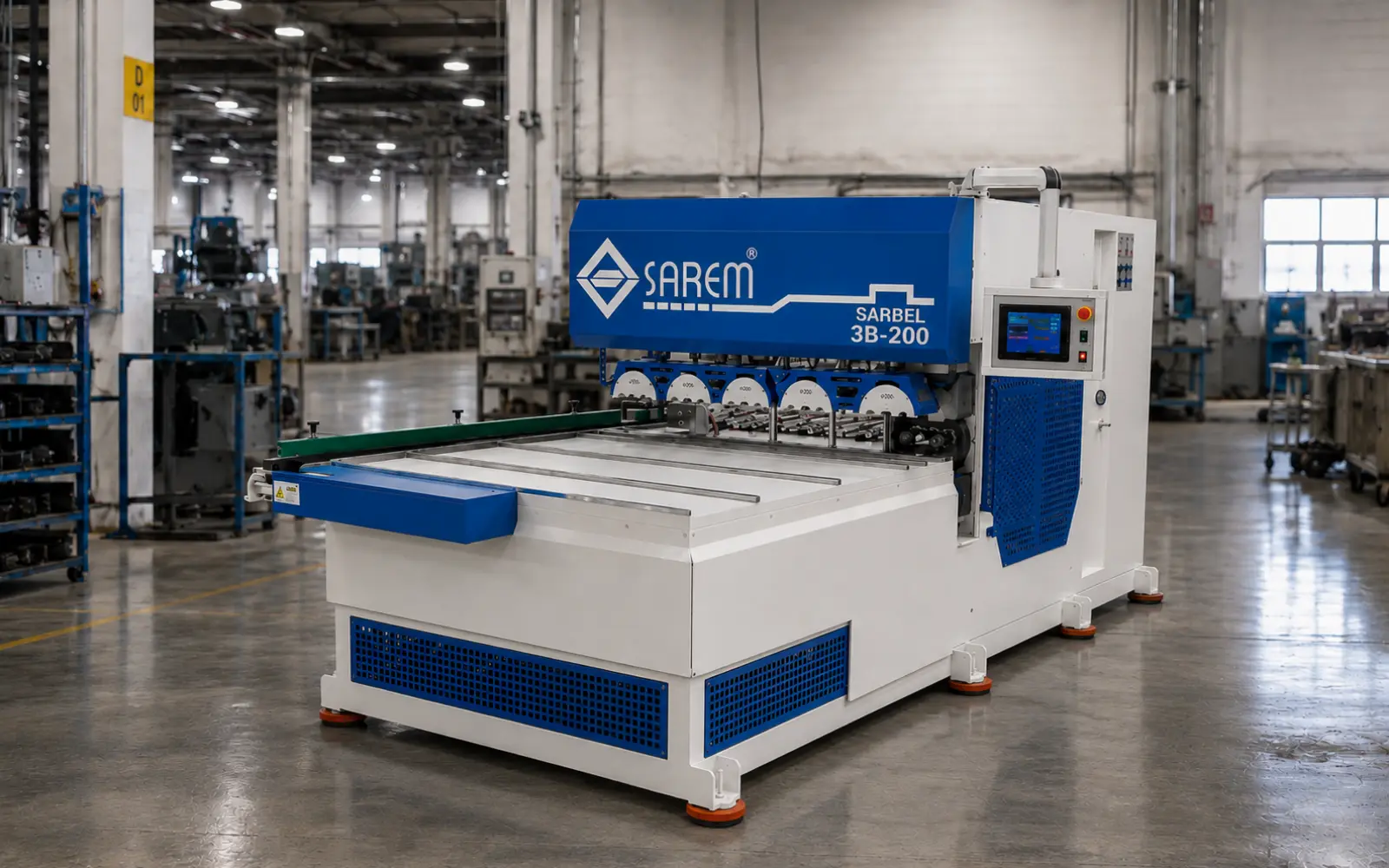
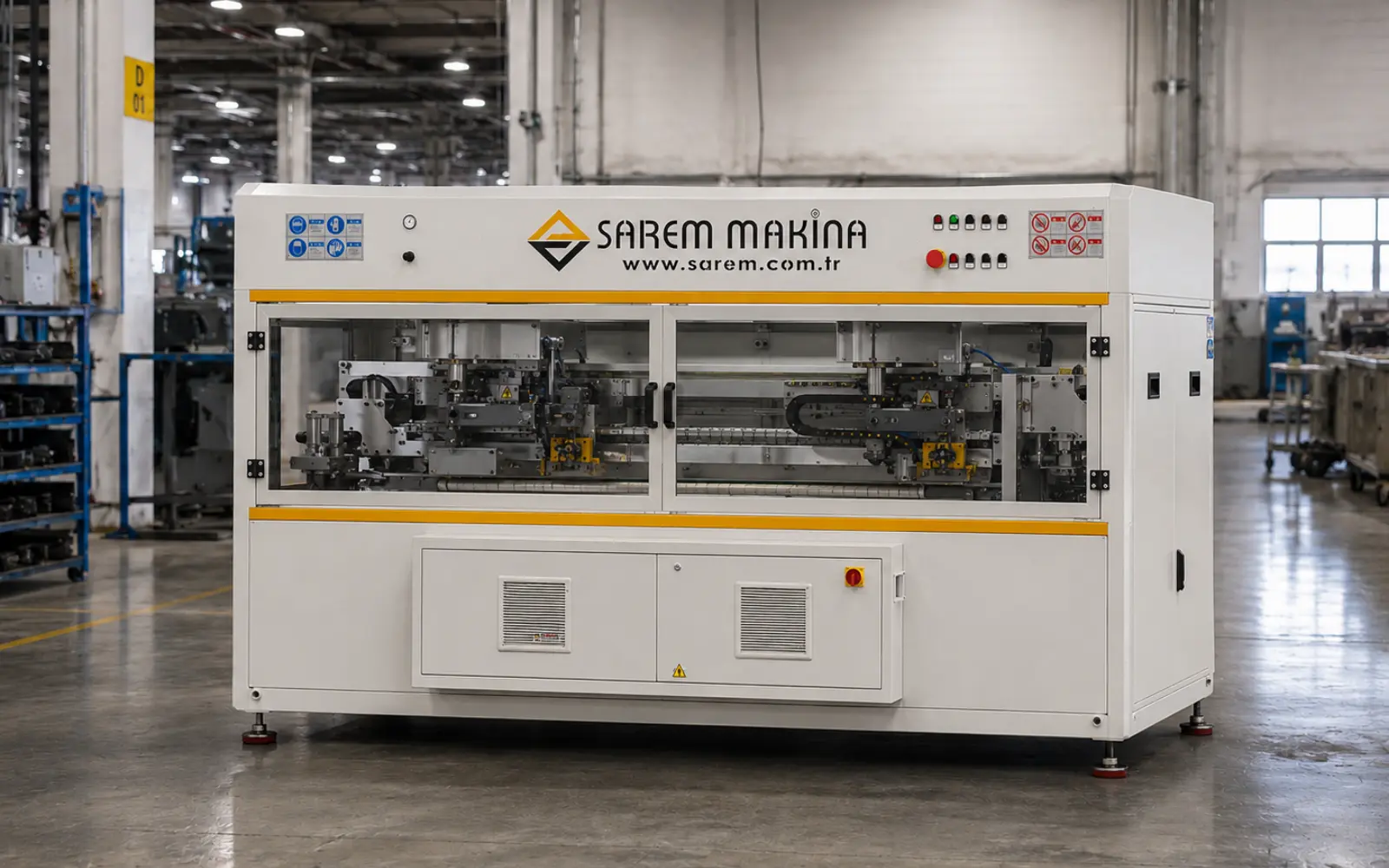
Sarem Makina develops manual pipe coiling machines for different pipe diameters, coil dimensions and production capacities. Single- and double-station configurations can be selected according to the extrusion line layout. Torque synchronization supports stable winding at the required line speed, while step-by-step operation helps produce balanced and consistent coils. Touchscreen control and PLC-supported automation simplify parameter management and provide reliable long-term performance.
- Single-Station Option
- Double Coiling System
- Torque-Controlled Operation
- Uniform Coil Formation
- PLC-Supported Control
- Safe Operator Area
Sarem Manual Pipe Coiling Technology
Sarem manual pipe coiling systems wind plastic pipes leaving the extrusion line in a controlled and uniform manner. Their operator-assisted structure adapts quickly to different production scenarios and prepares pipes in organized coils suitable for storage and shipment.
Available in single- or double-station configurations, Sarem manual pipe coilers offer reliable solutions for PE, PEX, PE-RT and multilayer pipe production. User-friendly controls, torque synchronization and a robust mechanical structure support practical, stable and long-lasting operation.
Sarem Manual Pipe Coilers
Sarem manual pipe coilers improve end-of-line control by combining low operator fatigue, consistent coil formation and safe operation. Their flexible working structure allows manufacturers to manage different pipe diameters and coil specifications without disrupting production flow.
Configured according to production capacity, pipe diameter and required coil dimensions, these plastic pipe coiling solutions provide an economical and durable alternative for flexible manufacturing facilities. Simple operation, dependable mechanical construction and adjustable winding parameters help maintain efficient daily production.
What Is a Manual Pipe Coiler?
A manual pipe coiler is an end-of-line machine that allows an operator to wind flexible plastic pipes into organized coils. It helps prepare pipes for easier handling, storage, packaging and transportation.
Which Pipes Can Be Wound with a Manual Coiler?
Manual coilers are commonly used for PE, PEX, PE-RT, drip irrigation and multilayer plastic pipes. Machine configuration depends on pipe diameter, flexibility, production speed and required coil size.
What Is the Difference Between Manual and Automatic Pipe Coilers?
A manual coiler requires operator assistance during winding and coil handling, while an automatic coiler can manage cutting, coiling and coil discharge with minimal intervention. Manual systems offer a more economical solution for lower or flexible production capacities.
Why Is a Manual Coiler Preferred in Plastic Pipe Production?
Manual coilers provide flexible operation, simple controls and lower investment costs. They are suitable for manufacturers producing different pipe types or coil dimensions in moderate production volumes.
What Should Be Considered When Selecting a Manual Pipe Coiler?
Pipe diameter, coil length, coil dimensions, production speed, station configuration and safety requirements should be evaluated. The machine must also operate smoothly with the speed and layout of the extrusion line.


